The Seven Deadly Sins: Origin — A Player’s “Britannia Is Huge” Guide to Release Dates, Platforms, Combat, Exploration, Co-Op, and F2P Reality
Introduction
A. What The Seven Deadly Sins: Origin is
The Seven Deadly Sins: Origin is Netmarble’s big swing at a full open-world anime action RPG set in Britannia, with real exploration (not just “walk between quest markers”), action combat, and a party/tag system built around the cast people actually care about. The Steam page straight-up pitches it as an open-world action RPG with a brand-new original story where you play as Prince Tristan and deal with a “collision of time and space” that throws Britannia into chaos.
And if you’ve played Netmarble stuff before, you already know what this game is trying to be: not “just another anime gacha with cutscenes,” but something closer to the Genshin-style open-world ARPG lane, except with Seven Deadly Sins’ characters, humor, and lore hooks.
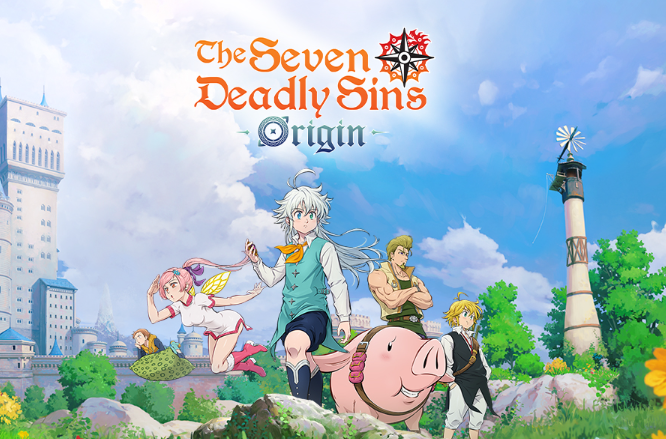
B. How it connects to Seven Deadly Sins + Four Knights of the Apocalypse
The vibe is “canon-adjacent, not a direct retelling.” Netmarble has consistently framed Origin as a new story in the same universe rather than replaying the anime plot beat-for-beat. Multiple previews/coverage also described it as being set between The Seven Deadly Sins and Four Knights of the Apocalypse, so it’s familiar but not locked into the same script.
C. Core pillars: exploration, tag-team combat, and an original multiverse storyline
From what’s been officially shown and described, the game has three big pillars:
Exploration-first open world (Britannia as a real space)
Action combat with tag/party swapping (so you’re not stuck as one character)
A time/space collision story (multiverse-ish structure that justifies weird encounters and timeline jumps)
If you’re the kind of player who likes wandering off the main path for chests, puzzles, and boss fights, this is the first Seven Deadly Sins game that looks like it was built for you.
Content
II. Release Date, Launch Times, and Platforms
A. Official global launch date (and the delay story)
Let’s clear up the biggest confusion first, because the release date has been a moving target.
Back in late 2025, Sony/PlayStation’s blog announcement said PS5 launch was set for January 28, 2026.
Then in February 2026, Netmarble and multiple outlets reported a new schedule:
PS5 + PC (Steam): March 16, 2026
Mobile (iOS/Android): March 23, 2026
So yeah—it got delayed from the earlier January plan to a staged March rollout.
B. Platforms list + rollout notes
Confirmed platforms and timing (2026):
PlayStation 5: March 16, 2026
PC (Steam): March 16, 2026
Android + iOS: March 23, 2026
From a player perspective, the “PC/PS5 first, mobile one week later” setup is actually a big deal: it suggests they’re prioritizing a stable launch on the heavier platforms first, then opening the floodgates on mobile when the servers and early issues are already being stomped out.
C. Time-zone launch times + preload/early access windows
Official sources usually don’t lock “exact hour by time zone” on every storefront page months in advance, but we do have strong signals about staged rollout:
Steam lists the planned release date as March 16, 2026.
Netmarble/press coverage frames it as PS5/PC first, mobile later.
Practical player advice: if you care about being day-one (especially if you want to reroll or claim launch rewards efficiently), your best move is always:
preload as soon as your platform allows (Steam/PS Store preload timing can vary)
follow official social channels close to launch week for final “unlock times”
don’t trust random “countdown timer” websites unless they cite official storefront unlock times
III. How to Download and Start Playing
A. Console + PC (PS Store, Steam, Netmarble launcher?)
PS5: You’ll download from the PlayStation Store. Some PS Store pages already mention the free-to-play availability date (March 16, 2026).
PC: Steam is the main confirmed PC storefront, with a live store page and planned release date.
Whether Netmarble also offers a separate PC launcher may vary by region, but if you want the simplest “I will not get lost” route, Steam is the cleanest because updates and file verification are painless.
B. Android + iOS
Mobile is scheduled for March 23, 2026.
On launch week, the safe method is:
install only via Google Play / App Store
avoid APK sideloading unless Netmarble explicitly provides official APK links (because “fake client” scams spike during big anime launches)
C. Account linking, cross-play, cross-progression expectations
Here’s the honest truth: cross-play and cross-progression are the #1 thing people assume, and the #1 thing that can vary by region/platform policies.
What’s safe to expect as a player:
Netmarble will almost certainly use some kind of Netmarble account backbone (that’s their usual ecosystem move).
Whether your PS5 progress can move to mobile/PC depends on how they implement account linking and what each platform allows.
Player advice:
If you plan to play on multiple platforms, start on the platform you’ll main long-term (don’t assume migration is guaranteed).
If cross-progression is supported, link early and keep one “main account” identity.
Never start as a guest if you care about your progress.
IV. Story, Setting, and Timeline Placement
A. Britannia setting + the “Book of Stars” premise
Britannia is the star of the show, not just a background. Origin’s premise is driven by a time/space disturbance that throws the world off balance, which is basically a narrative excuse for:
meeting characters across different points in the timeline,
seeing “what if” scenarios,
and exploring Britannia in a way that isn’t chained to a linear anime retelling.
B. Tristan as protagonist + multi-timeline travel
The Steam story summary is clear: you play as Tristan, and his journey is to restore order to a Britannia altered by a collision of time and space.
Player translation: Tristan is the narrative glue that makes it believable for you to swap between iconic characters while still having one main “I’m progressing the story” anchor.
C. Relationship to anime canon
From public coverage, Origin is positioned as a new story in the IP timeline rather than a re-telling. That matters because:
you’re less likely to get bored if you already watched/read everything
the game can introduce original characters without feeling like fanfic
the devs can design bosses and arcs that fit game pacing rather than episode pacing
V. Playable Characters and Roster
A. Launch roster highlights
Marketing and store pages highlight that you’ll run into big fan favorites, and multiple announcements point to a wide roster approach typical of party-based ARPGs. Even if you’re here only for the headline characters, the game clearly expects you to build teams.
Commonly promoted/expected faces include:
Tristan (main)
and other major Seven Deadly Sins cast members that you’d expect in a flagship title (and likely Four Knights-adjacent characters as updates roll out)
B. Party size + tag mechanics
Origin’s “tag” identity means you’re not playing a single character forever. The gameplay shown and described emphasizes swapping and coordinated team skills, so your team isn’t just “three extra HP bars,” it’s a toolkit:
swap for element/role advantage
rotate cooldowns
chain skills (setup → burst → cleanup)
C. New original characters
Netmarble has framed Origin as a new story with new characters alongside returning ones.
In practice, original characters usually fill:
tutorial roles (teaching mechanics)
faction hooks (new villains/allies)
story “connective tissue” that makes the multiverse plot feel coherent
VI. Open-World Exploration and Activities
A. World structure: regions, verticality, seamless zones
Open-world ARPGs live or die on how fun it is to just… run around. Origin has been shown/promoted with:
wide landscapes
big creatures
environmental puzzles
a world that encourages roaming instead of only questing
B. Traversal: climbing/gliding/swimming + mounts
Coverage and trailers have pointed to traversal systems similar to modern open-world titles—movement that’s more than “walk and sprint.”
And yes, people are excited about traversal not because it’s “cool,” but because it’s the thing you do 80% of the time between fights.
C. Side activities: puzzles, chests, fishing/cooking style loops
The Future Games Show coverage mentioned puzzles and environmental interactions as part of the exploration loop, which is basically the “open-world content glue.”
Player takeaway: if this game is built well, you’ll progress even when you’re “not progressing,” because exploration constantly feeds you rewards and resources.
VII. Combat System and Core Mechanics
A. Action combat basics: light/heavy, skills, dodges, combos
If Origin nails anything, it has to be combat feel. In an anime ARPG, combat isn’t just numbers—it’s:
responsiveness
hit feedback
readable enemy telegraphs
satisfying burst windows
B. Tag-team system + coordinated team skills
Tag systems usually reward:
swapping at the right time
setting up elemental/status windows
chaining ultimates without wasting overlap
Player tip: in tag games, most new players make the same mistake—they swap too much. The real skill is swapping with purpose:
swap to avoid a lethal hit
swap to apply a debuff or shield break
swap to burst during a downed/stunned window
C. Enemy variety and boss design
The trailers and previews highlighted big monster fights and “wow” scale moments (including sequences that reminded people of colossus-style encounters).
If those boss fights are done right, they become the content you log in for, not the thing you rush through.
VIII. RPG Progression, Gear, and Builds
A. Character progression: levels, skills, talents
Most Netmarble RPGs run a layered progression model:
character level
skill upgrades
talent/passive unlocks
account-wide bonuses (collections, achievements, etc.)
Your early goal should be: build one core team that can clear content comfortably before you start “investing in everyone.”
B. Gear, weapons, artifact-style systems
Open-world RPGs often use:
weapon/gear rarity tiers
upgrade materials from bosses/dungeons
optional “artifact” systems for build depth
Player advice: treat early gear as disposable. Don’t over-upgrade low-tier items unless the game is extremely stingy.
C. Early build recommendations
You usually want:
1 main DPS (your “clear content” button)
1 support/utility (heals, buffs, shields, debuffs)
1 flex slot (breaker, crowd control, second DPS, etc.)
And you want to build around synergy, not favorite characters only—at least until your account is stable.
IX. Co-Op, Multiplayer, and Endgame
A. What co-op likely supports
In open-world ARPGs, co-op usually works best for:
world bosses
challenge dungeons
event fights
And it’s usually limited in story progression (because story pacing gets messy with multiple players).
B. Endgame goals
Endgame is what keeps you playing after the honeymoon phase:
challenge dungeons
rotating bosses
world events
long-term build optimization
C. Co-op vs solo rewards
Most games do one of two things:
give co-op slightly better rewards (to push social play)
or equal rewards but faster clears with teamwork
Either way, co-op usually becomes the “efficient route” once you have a stable roster.
X. Monetization, Gacha, and F2P Viability
A. Monetization model expectations
Origin is officially positioned as free-to-play on PlayStation Store listings.
Free-to-play in this genre usually means some mix of:
character acquisition (often gacha)
cosmetics
convenience packs
battle pass style progression
B. Battle pass / seasons
Most Netmarble live-service RPGs lean on seasons or pass systems for retention. If Origin follows the pattern, expect:
limited-time reward tracks
cosmetic unlocks
resource bundles that accelerate progression
C. Is it pay-to-win?
Player reality check:
If PvE is your main focus, F2P can be totally fine if the game gives steady premium currency and doesn’t gate story behind paywalls.
If competitive modes exist (ranked PvP or leaderboards), spenders will usually get an advantage through faster roster/build completion.
The key is whether the game offers enough “skill expression” and whether matchmaking brackets separate whales from normal players.
XI. Performance, Graphics, and Technical Requirements
A. Visual presentation across PS5, PC, mobile
Origin has been marketed as visually ambitious for an anime open world (dynamic world features were highlighted in previews).
So expect the platform differences:
PS5/PC: better fidelity, smoother frame targets
mobile: more aggressive scaling settings, battery/heat management
B. PC specs and storage
Steam lists the game and will typically host system requirements as launch approaches.
Player advice: if you’re on PC and you care about performance, plan for:
SSD install
enough free storage (open-world games balloon fast)
stable GPU drivers around launch week
C. Preview impressions
Early coverage praised:
exploration vibe
flashy combat
world scale moments
But previews are always “best case.” The real test is:
launch-week server stability
mobile performance
whether co-op feels smooth or janky
XII. Comparisons to Other Anime and Open-World Games
A. Compared to Genshin-style open-world ARPGs
The surface similarities:
open world
exploration rewards
character swapping
flashy ability combat
The difference is whether Origin leans more into:
tactical tag chains and “team skills”
Seven Deadly Sins personality and lore tone
a different structure for endgame progression
B. Compared to Seven Deadly Sins: Grand Cross
Grand Cross is a turn-based gacha RPG identity. Origin is action open-world.
Translation: even if you loved Grand Cross, Origin is not “Grand Cross 2.” It’s a different genre with a different kind of grind.
C. Unique mechanics and tone
The multiverse/time collision plot is a big differentiator because it allows:
diverse encounter design
timeline crossing fanservice moments
original characters that don’t feel out of place
XIII. Beginner’s Guide: First Hours in Britannia
A. Best starting platform choice
If you have choices:
PS5/PC: best for comfort, performance, and long sessions
Mobile: best for daily casual play and on-the-go farming
If cross-progression is supported, great—play both. If not, pick the platform you’ll actually stick with.
B. Early priorities
Push story until you unlock your core systems
Build a stable “main team” before spreading resources
Explore enough to stay ahead on materials and currency
Don’t ignore tutorials on combat timing—open-world games punish lazy dodging later
C. Common opening mistakes
Over-investing in low-tier gear
Leveling too many characters at once
Ignoring defensive mechanics (“I’ll just DPS through it”)
Skipping exploration and then wondering why you’re resource-starved
XIV. Tips, Tricks, and Quality-of-Life
A. Exploration tips
Do quick “loop routes” for chests and puzzle clusters
Use fast travel aggressively once it unlocks
Mark bosses and high-value resource nodes when you find them
B. Combat tips
Dodge for positioning, not just survival
Use terrain and spacing (especially vs large bosses)
Swap characters with a plan (setup → burst, not random panic swapping)
C. Settings tweaks to enable day one
Turn on any “camera comfort” and motion settings you prefer (motion blur off if it bothers you)
On mobile: prioritize stable FPS over max visuals
Use custom controls early so your muscle memory locks in before endgame
XV. Community Impressions and Ongoing Updates
A. Early feedback from previews/betas
The game had a closed beta period in late 2025 (Oct 30–Nov 5) reported by major outlets, which is often where early impressions and system feedback came from.
B. What players like most so far
From the coverage that exists:
exploration vibe
dynamic world feel
flashy combat and large-scale encounters
C. How to track future updates
Best sources:
the official game site and news posts
Steam page announcements for PC patches
PlayStation Store updates for PS5
and reputable outlets like Gematsu/Crunchyroll for schedule changes
Conclusion
The Seven Deadly Sins: Origin is shaping up as Netmarble’s biggest attempt to turn a beloved anime IP into a true open-world action RPG—exploration-first, tag-team combat, and a time/space collision story built around Tristan.
The release timeline you actually need to remember in 2026 is:
PS5 + PC (Steam): March 16, 2026
Android + iOS: March 23, 2026
If you want to start strong as a player:
pick your main platform (don’t assume cross-progression until confirmed in-game),
build one core team before you spread resources,
and treat exploration as progression—not sightseeing.
If you share your preferred platform (PS5 vs PC vs mobile) and your usual playstyle (explorer, boss hunter, co-op grinder, or “I only care about PvP”), I can turn this into a tighter “day-one to week-one” checklist with team-building priorities and resource traps to avoid.