Arknights Endfield Characters: A Player’s Tier List, Roles, and Team-Building Cheat Sheet (January 2026)
If you’re here for arknights endfield characters, you’re probably in the same place I was: staring at the roster thinking, “Okay… who’s actually worth building, and who’s just cool art with a budget-friendly disappointment attached?”
Arknights: Endfield is not the kind of game where you slam six “high rarity” units together and magically win. It’s tactical, it’s systems-heavy, and it loves rewarding players who understand how roles, elements, reactions, and debuffs stack together. So this guide is written the way I’d explain it to a friend in Discord: straight to the point, practical, and honest—with enough detail that you can actually make decisions instead of collecting indecision.
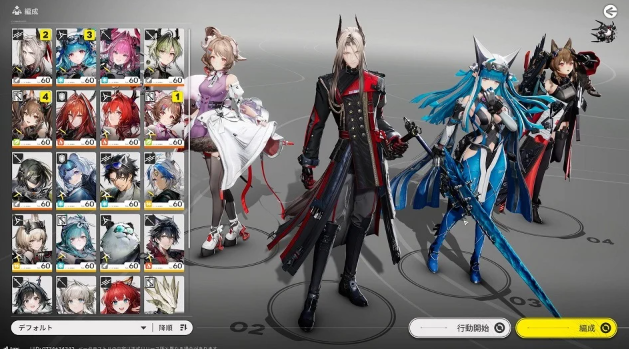
I. Introduction & Game Overview (What Endfield “Feels Like” as a Player)
Endfield is basically tactical action combat layered with a lot of “buildcraft.” Operators have classes/roles, weapons, and damage types that matter more than most gacha games. And unlike some games where you can brute-force with raw stats, Endfield has mechanics like Vulnerability/Susceptibility stacking, stagger/knockdown, and elemental interactions that can turn a “mid” unit into a monster if you build around them.
Also: the roster is still relatively small compared to long-running gachas, which is honestly nice—less “who even is this?” and more “okay, I can actually learn what everyone does.” As of January 2026, the public roster count is commonly listed in the low 20s depending on how the site counts variants/availability.
Now let’s get into the part everyone came for: tiers.
II. Tier System and Ranking Methodology (How I’m Ranking These)
A. Tier Definitions (T0 to T4)
I’m using the T0 → T4 style because it maps cleanly to Endfield’s “who defines the meta” vibe:
T0: Meta-defining. You build teams around them.
T1: Excellent. Slightly more conditional than T0 or a bit less universal.
T2: Solid. Strong in specific comps or content types.
T3: Situational. Needs the right team, the right content, and sometimes the right mood.
T4: Niche/underwhelming. You play them because you love them—or because you’re challenge-running.
This is aligned with how many community tier lists present Endfield rankings for late-game modes.
B. What I’m Actually Measuring
I’m weighting performance around endgame-oriented content (the stuff where builds and synergy matter), especially mode-focused discussions like Algorithmic Memories and other high-difficulty encounters that punish sloppy team comps.
My ranking criteria:
Consistency (can they perform without perfect conditions?)
Team value (buffs/debuffs, enabling reactions, setup into bursts)
Damage reliability (burst windows that aren’t a coin flip)
Survivability/utility (how much they reduce failure states)
Ease of building (some units “work” earlier; others need investment)
C. Tier Lists Aren’t Commandments
Endfield is one of those games where a “lower tier” operator can jump tiers inside the right composition. If you understand how debuffs stack and how elemental effects interact, you can outplay the meta-chasers who just copy a list and mash buttons.
III. Operator Classes and Role Overview (What Each Class Actually Does)
Different sources describe Endfield’s class system slightly differently, but broadly you’ll see Guard, Defender, Caster, Striker, Supporter, and often Vanguard discussed as a resource/tempo class.
Here’s the player-brain version:
A. Guard – Close-Range Physical Pressure + Control
Guards are your “get in there and make space” units. In many builds, they’re also your debuff enablers—the class that helps set up massive damage by making enemies take more punishment (especially when Vulnerability-style effects are involved).
B. Defender – Frontline Durability + Team Protection
Defenders are your “I refuse to die” button. The best ones don’t just tank—they shield, deny, or enable your backline to do their job safely.
C. Caster – Elemental Arts Damage + Infliction
Casters are often your element application engines. If your comp is built around reactions or status effects, casters are usually the glue.
D. Striker – Big Burst Specialists
Strikers are your “delete this target” role. When they’re good, they feel unfair. When they’re bad, they feel like they showed up late to the fight and still want MVP.
E. Supporter – Healing, Buffs, Debuffs
Supporters are the class that turns “we’re barely surviving” into “why is this boss suddenly easy?” If you’re new, you will undervalue them. Everybody does. Then you hit content that punishes you and you learn.
F. Vanguard – Tempo, SP, and Resource Flow
Vanguards tend to be about getting your engine online faster—SP economy, skill uptime, and helping your team start strong instead of ramping painfully slow.
IV. S/T0-Tier Operators (Meta-Defining and Must-Pull)
I’m going to be blunt: if you have these, your account feels “unfair” in the best way.
Note: The names and placements below match common January 2026 tier discussions on major English community guide hubs.
A. Laevatain — AoE Heat DPS (Combustion-Style Pressure)
Laevatain is the type of operator that makes you stop worrying about “how do I clear waves?” because she turns wave content into a highlight reel. Heat AoE carries tend to scale extremely well in content where enemies group or where you need both pressure and pace.
Why she’s T0 in practice:
Her AoE output is reliable enough that you don’t feel like you’re gambling on crit windows.
Heat-based kits often shine in fights where you need sustained pressure and burst moments.
How I build around her:
Pair her with a support that keeps her uptime high (buffs, sustain, or debuff amplification).
Add one operator who can lock enemies into her damage zones (control, stagger, knockdown setups).
B. Ardelia — Universal Nature Support Healer (Corrosion/Spread Utility)
Ardelia is one of those supports that quietly carries your entire account. New players often think “healers are just healers.” Nah. The best healers in Endfield are healers + enablers, and Ardelia fits that vibe hard.
What makes her meta-defining:
She’s a sustain anchor and a team engine—meaning your DPS can play aggressive instead of defensive.
Nature-support kits often slot into many comps because they don’t demand one strict element identity.
How she changes your gameplay:
You stop wasting runs to chip damage.
You can run more aggressive DPS pairings because she covers mistakes.
C. Pogranichnik — Premier Physical Vanguard (SP Refund + Vulnerability Stacking)
Pogranichnik is for players who love tempo. This unit helps you hit that sweet spot where your team feels like it’s always “online.”
Why players rate him so highly:
Anything that improves SP flow or skill uptime is basically a meta multiplier.
Vulnerability-style stacking (or similar damage-taken amplification) is a force multiplier in physical comps.
My favorite use case:
Physical teams that want to ramp fast and keep pressure constant.
Boss fights where your window is short—Pogranichnik helps you get your rotations faster.
D. Last Rite — Top Ice Main DPS (Burst Scaling)
Last Rite is the “I am here for boss health bars, not for conversation” pick. Ice kits are often about control and burst timing, and Last Rite is frequently placed at the top of that category in current tier discussions.
How to play them well:
Don’t waste burst into nothing. Set up the window, then slam.
Pair with operators who can hold targets in place or increase damage taken right before your big moment.
V. A/T1-Tier Operators (Strong Alternatives You’ll Never Regret Building)
These are the operators that either:
almost feel like T0 but are a bit more conditional, or
are incredibly strong in their niche and you can build around them confidently.
A. Endministrator — Early-Game Physical DPS With Crush-Style Utility
Endministrator is the classic “starter who stays relevant longer than you expect.” Depending on your account, Endministrator can be your early carry and later becomes a reliable role-player in physical comps.
Why I like investing early:
You’re not wasting resources; you’re building a foundation.
Physical teams often have good synergy options later, and Endministrator slots into those.
B. Ember — Heat Defender With AoE Shielding
Ember is a Defender that actually feels like they’re contributing to your win condition instead of just soaking hits. Heat Defenders that provide shielding or area control can enable greedy DPS comps.
Where Ember shines:
Multi-wave content where the frontline gets peppered constantly.
Boss fights with annoying adds—Ember helps your team not collapse while focusing damage.
C. Lifeng — Physical Guard With CC + Susceptibility Debuffs
Lifeng is the kind of Guard that makes your DPS look better. If your kit brings control + susceptibility-style debuffs, you’re automatically valuable because you’re raising the whole team’s ceiling.
D. Yvonne — Single-Target Cryo Caster (Freeze-Focused Builds)
Yvonne is your “precision tool” in ice setups. Not every fight needs an ice specialist, but when a fight does reward control and targeted damage, Yvonne feels amazing.
E. Gilberta — Elemental Team Enabler (Vortex/Amplification Field Style)
Gilberta is what I call a “team shape-changer.” You add her and suddenly your comp has a clearer identity—grouping, amplification zones, and better damage flow.
VI. B/T2-Tier Operators (Solid, Role-Specific, and Often Underrated)
B-tier in Endfield doesn’t mean “bad.” It usually means:
they’re great but need a specific comp,
or they’re consistent but not outrageous,
or they’re simply competing against a ridiculous T0/T1 lineup.
When I recommend investing into T2:
You’re missing a key role (like a second support, a breaker/controller, or a frontline).
You have one meta carry and need complementary pieces more than another “main DPS.”
You’re building a second team for different content types.
The real trick: don’t build T2 “because they’re available.” Build them because they solve a problem your account actually has.
VII. C/T3 and T4-Tier Operators (Situational and Niche Picks)
These are your “only if…” operators.
A. When They Shine
T3/T4 picks can still pop off when:
the content favors their element or mechanics,
you have an unusual synergy pairing,
you need a backup unit for a specific constraint (like survival, control, or pacing).
B. The Trap
The trap is investing heavily into a niche unit early when you still don’t have:
a stable sustain core,
a reliable main DPS,
and one flexible enabler.
If you’re new, I’d rather you build one stable team than three half-teams.
VIII. Elements and Arts System (The Part That Makes Endfield “Click”)
Endfield’s damage types commonly get discussed as Physical, Heat, Electric, Cryo, and Nature, and the game’s combat depth comes from how inflictions and interactions layer into your rotations.
A. Damage Types
Physical: Reliable, often synergizes with debuff stacking and “break this target now” play.
Heat: Great for pressure and AoE-heavy pacing.
Cryo: Control-centric; rewards timing and setup.
Electric: Often tempo + burst patterns, depending on the operator.
Nature: Frequently tied to sustain/utility and attrition-style value.
B. Why Element Synergy Matters
A lot of players treat “element” like a label. In Endfield, it’s more like the language your team speaks. If your whole team “speaks Heat,” your rotations get smoother. If you mix languages, you can still win—but you need a plan.
IX. Advanced Mechanics and Combat Systems (How You Actually Win Hard Content)
Here’s the stuff that separates “I have good characters” from “I clear consistently”:
A. Stagger and Knockdown
If you can stagger or knock down at the right moment, you:
prevent damage,
create burst windows,
and stop annoying mechanics from firing.
B. Vulnerability, Susceptibility, Debuff Stacking
These mechanics are why some supports/guards/vanguards feel “secretly broken.” When you stack “take more damage” effects correctly, even an A-tier DPS can outperform a meta carry played lazily.
C. Ultimate Energy and SP Flow
This is why Pogranichnik-style kits are so prized: the more often you can fire your best skills, the more “unfair” your team feels.
D. Burst Timing
Endfield punishes burst spam. Learn to:
set up,
hold,
then execute.
X. Beginner-Friendly Operators and Early Game Priority
If you’re new, your first goal isn’t “perfect meta.” Your first goal is stability.
A. Free Starting Operator: Endministrator
Endministrator is a legit early carry and a great learning tool for physical fundamentals.
B. Best First Pulls (Practical View)
If you pull a T0/T1 carry early, your plan becomes:
keep them alive
enable their damage
don’t overbuild five random side projects
C. Recommended Investment Order
1 main DPS (your “I clear content” button)
1 sustain anchor (healer/support)
1 frontline or control piece (defender/guard/support)
Then you expand.
XI. Team Building and Synergy Strategies (How I’d Build Teams With These Tiers)
A. Elemental Teams vs Balanced Teams
Balanced team is easiest early: DPS + sustain + frontline/control.
Mono-element or synergy-heavy teams shine later: you trade flexibility for ceiling.
B. DPS / Support / Defender Balance
A clean beginner template:
Main DPS (Laevatain or Last Rite style carry)
Sustain Support (Ardelia style)
Frontline / Tempo / Control (Ember, Pogranichnik, Lifeng style)
C. Counter-Picking for Specific Content
Some fights punish melee, some punish squishy backlines, some punish slow ramp. Your team building should be “what problem am I solving?” not “what tier is this unit?”
XII. Weapon Types and Equipment Integration (Why Weapons Aren’t Just Cosmetic)
Endfield operators are associated with weapon categories like sword, greatsword, polearm, gun, and systems like orbiters get discussed in community breakdowns as well.
A. Weapon Type Impacts Role Feel
Even before min-maxing gear, weapon identity shapes:
attack patterns,
spacing,
and how safe your rotations are.
B. Equipment Advice That Won’t Age Poorly
Prioritize gear that supports the operator’s job:
DPS wants consistency, uptime, and damage scaling.
Supports want survivability and “make the team better” stats.
Frontliners want sustain and mitigation so your backline can breathe.
XIII. Content-Specific Tier Thinking (Algorithmic Memories, Bossing, AoE)
Community tiering often separates “general tier” from “mode performance,” especially for endgame-like challenges.
A. Algorithmic Memories
In content like Algorithmic Memories, teams that rely on:
stable sustain,
controlled burst windows,
and debuff stacking
tend to feel way more consistent than “triple DPS and pray.”
B. Boss Farming
Bossing favors:
single-target burst,
uptime,
and resistance to mechanics (control, sustain).
C. Multi-Wave / AoE Clearing
This is where AoE Heat carries (Laevatain-type roles) and defenders that stabilize chaos (Ember-type roles) feel incredible.
XIV. Gacha Systems and Acquisition Strategy (How I’d Pull)
Operator acquisition is generally discussed around banner-based systems across community resources.
A. Limited vs Standard Value
General gacha rule that still applies:
Carries define your ceiling.
Supports define your consistency.
If you already have a carry, pulling for the support that makes them unstoppable is often the smarter move.
B. Reroll (If You’re That Kind of Player)
Rerolling is time vs power. If you enjoy optimizing and you’re early:
Aim for a T0/T1 carry OR a universally strong support/tempo unit.
If rerolling makes you hate the game before you start, skip it.
XV. Character Progression and Investment Guide
A. Leveling Priorities
A simple, effective priority order:
Your main DPS
Your healer/support core
Your frontline/control enabler
Your secondary DPS or specialist
B. Best Resource-to-Power Ratio
Supports that improve the whole team often give more account power than a second DPS early.
C. When to Pivot Mains
Pivot when:
you get a clear upgrade (T0/T1 carry),
your current main can’t meet new content checks,
or you find a comp you enjoy more and can build fully.
XVI. Latest Balance Updates and Meta Trends (Why You Should Stay Flexible)
Tier lists for Endfield are actively updated by community hubs, and at least one major English tier list shows updates into mid-January 2026—meaning the meta is being actively tracked and can shift.
My advice:
Treat your core sustain + frontline as “safe investments.”
Treat hyper-specialized DPS picks as “meta-dependent.”
Always keep one flexible slot in your roster you can adapt with.
XVII. Frequently Asked Questions
A. Which operators should I prioritize for my first team?
Pick a main DPS + sustain + frontline/tempo trio. If you have a meta carry (Laevatain/Last Rite style), pair them with a universal support (Ardelia style) and a stabilizer (Ember/Lifeng/Pogranichnik style).
B. Are lower-tier operators viable with proper investment?
Yes—especially if they fill a needed role or enable a comp you already have. Endfield rewards synergy more than blind tier worship.
C. How often will the tier list be updated?
Community tier lists have been updated as recently as mid-January 2026 on major guide hubs, so expect updates whenever patches or new operators land.
D. What is the best team composition for beginners?
The boring-but-winning answer:
1 carry DPS
1 sustain support
1 frontline/control/tempo
Then expand once you’re stable.
XVIII. Strategic Comparison and Decision Framework (How to Decide Without Regretting It)
Here’s the decision rule I use for arknights endfield characters:
If an operator makes your whole account more consistent, they’re worth building even if they aren’t flashy.
If an operator only looks good when everything goes perfectly, they’re a luxury pick.
If you’re missing a key role (healing, frontline, control), filling that gap is usually better than chasing “more DPS.”
S/T0 vs A/T1 Pull Value
T0: Build-around units.
T1: Strong engines or premium specialists.
If you’re choosing between “another DPS” and “the support that makes my DPS unstoppable,” choose the support more often than your instincts want to.
Accessibility vs Power
A slightly weaker operator you can fully build now often beats a stronger operator you can’t support properly yet.
Meta vs Preference
If your favorite is T2/T3, you can still make it work—just be honest with yourself about what support pieces you need to cover their weaknesses.
If you take one thing from this arknights endfield characters guide, let it be this: Endfield rewards team design more than roster flexing.
T0 picks like Laevatain, Ardelia, Pogranichnik, and Last Rite define the current “easy mode” feel because they bring either unstoppable damage, universal sustain, or tempo multipliers.
T1 picks like Endministrator, Ember, Lifeng, Yvonne, and Gilberta are the kind of operators you build and never feel bad about—because they solve real problems and scale with your account.
Lower tiers aren’t garbage; they’re context picks. Build them when they complete a comp, not when you’re bored.
If you want, tell me which operators you currently have (even just your top 6–8), and I’ll map you two concrete team templates: one for general progression and one for harder content (bossing or multi-wave), using the same tier logic above.