Athena Blood Twins Tier List: My No-BS Player Guide to the Meta
If you’ve been playing Athena: Blood Twins for more than, like, a weekend, you’ve already learned the painful lesson: this game is not just “pull whoever looks cool and pray.” It’s one of those MMORPG/gacha hybrids where your power spikes come from smart hero choices, efficient upgrades, and knowing which units actually carry you through bosses, raids, towers, and PvP—without draining your entire stash for a character that ends up benched forever.
That’s why people keep searching “athena blood twins tier list” like it’s a cheat code. And honestly? It kind of is—if you understand what tier lists are meant to do. A tier list isn’t here to bully you for liking a “mid” hero. It’s here to help you answer three real questions:
Who gives the most value per resource spent?
Which heroes scale hard into late game (and don’t fall off)?
What team setups clear content smoothly instead of feeling like a brick wall?
One more thing: this guide is designed to stay useful even when balance shifts. I’ll explain the “why” behind rankings, so if a patch buffs or nerfs a hero, you’ll know how to mentally re-rank them without needing a brand-new article every time.
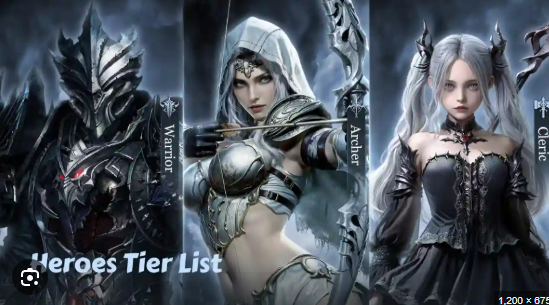
I. Introduction to Athena Blood Twins Tier List
A. Overview of Athena: Blood Twins as an MMORPG/gacha game
Athena: Blood Twins sits in that sweet spot where you’ve got MMORPG progression loops (gear grind, dungeons, raids, daily systems, power score chasing) mixed with gacha hero collection (rarities, star-ups, limited banners, “please don’t shaft me” summons). And that combo matters because the game doesn’t just ask, “Are you strong?” It asks, “Are you strong in the right way?”
In MMO-style content, you need reliable sustain, consistent damage, and tools to control fights (stuns, petrify, debuffs, cleanse, immunity). In gacha terms, that means you don’t just want “big numbers.” You want heroes whose kits scale well and stay relevant across multiple modes. The best heroes in this game aren’t necessarily the flashiest—they’re the ones that solve problems everywhere: boss phases, tower floors, PvP lockdown comps, and survival checks.
B. Why tier lists matter for team building and progression
Tier lists matter in Athena: Blood Twins because resources are always tighter than they look. Even if the game is generous early, later on you’ll hit the real bottlenecks: star materials, upgrade currency, awakening items, gear enhancement costs, and the classic “I have five projects and zero stamina.”
A good athena blood twins tier list helps you avoid these common traps:
Over-investing in a hero that peaks early (feels amazing in story, falls apart in bosses)
Building too many DPS and realizing you have no sustain or control
Ignoring tanks/utility until you hit content that one-shots you
Chasing every banner instead of building a stable “core roster”
In other words: tier lists protect your account from expensive mistakes.
C. How this guide is organized and updated with balance changes
This guide follows a simple structure:
First, I’ll explain the tier system and how I’m ranking heroes
Then we’ll go through S / A / B / C tiers with practical explanations
After that, I’ll talk about classes, roles, and team comps (because tier ≠ team)
Then we’ll cover beginner priorities, gacha strategy, progression, and mode-specific advice
Finally, we’ll hit advanced mechanics, FAQs, and how patch shifts usually affect the meta
Even if you disagree with one hero placement (and you probably will, because that’s what players do), you’ll still walk away knowing how to build teams and invest smart.
II. Tier System and Ranking Methodology
A. Tier definitions: S-tier, A-tier, B-tier, and C-tier
Let’s keep it simple and real:
S-tier: Meta-defining. These heroes carry multiple modes, scale hard, and stay relevant. If you pull them, you build them.
A-tier: Strong and versatile. Great in most content, sometimes slightly mode-dependent, but still a “safe investment.”
B-tier: Usable and sometimes great in specific setups, but either inconsistent, outclassed, or niche. Build if you like them or if they fill a missing role.
C-tier: Low priority. Either weak scaling, poor stats, or kits that don’t justify the investment. Early-game use at best, usually replace ASAP.
B. Ranking criteria: DPS, utility, role viability, and content performance
When I rank heroes, I’m basically asking: How much does this hero help you win? And in this game, “winning” looks different across modes.
So my criteria are:
DPS (damage output): Especially for bosses and raids, where you hit hard DPS checks.
Utility: Buffs, debuffs, cleanse, immunity, crowd control, accuracy reduction—anything that makes your team better without needing perfect gear.
Role viability: Can this hero do their job reliably? A “tank” that melts isn’t a tank. A “support” that can’t keep you alive isn’t support.
Content performance: Story, dungeons, boss farming, raids, tower climbing, PvP—how many places are they actually good?
Scaling and investment payoff: Some heroes become insane at higher stars; others barely improve. The best investments scale.
C. How patch updates and balance changes affect the tier list
In games like this, the meta usually shifts because of:
New hero releases that introduce better versions of existing roles
Buffs/nerfs that change damage multipliers, cooldowns, or CC durations
System changes (like new gear tiers, new raid mechanics, new PvP formats)
Synergy discoveries (players figure out a combo that turns “mid” into “broken”)
A good tier list isn’t just “who is strongest today.” It’s also “who stays strong even when things change.” That’s why S-tier heroes tend to be those with flexible kits—damage plus sustain, cleanse plus immunity, tank plus reflection, and so on.
III. S-Tier Heroes (Top-Tier and Meta-Defining)
S-tier is basically the “if you have them, your account feels easier” tier. These heroes either carry your damage, stabilize your survivability, or control fights so hard that content becomes predictable.
A. Dracula – hybrid support/DPS with lifesteal and team buffs
Dracula is one of those heroes that makes you feel like you’re cheating because he doesn’t fit neatly into one box. He’s a hybrid who brings respectable damage while also packing lifesteal-based sustain and team-friendly buffs.
In PvE, Dracula shines because lifesteal scales with your damage output. That means the stronger your gear gets, the more self-sufficient he becomes. In longer fights—bosses, towers, raids—he’s the kind of hero that keeps your team stable when things get messy. You don’t always notice it in the damage chart, but you definitely notice it when your team stops randomly collapsing mid-run.
In PvP, he’s annoying for the same reason: he’s hard to finish cleanly. If the enemy team doesn’t burst him down at the right time, he starts snowballing through sustain, and suddenly you’re the one losing the long fight.
Why he’s S-tier:
Doesn’t need perfect conditions to work
Sustain + damage makes him “always useful”
Team buffs keep him relevant even when new DPS heroes drop
B. Hattori Hanzo – strongest boss DPS and single-target dealer
If you care about boss content (and you should, because bosses usually fund your account), Hattori Hanzo is that “plug in and delete the health bar” kind of hero. His value is incredibly straightforward: single-target DPS that actually holds up in late-game content.
A lot of heroes look like boss killers early, then hit the wall later when bosses scale and your damage windows get tighter. Hanzo tends to stay valuable because his kit is built around the thing bosses punish most: inconsistency. He’s the kind of DPS that gives you reliable output and doesn’t require a ten-step setup to start doing work.
Why he’s S-tier:
Top-tier single-target damage for bosses
Scales well with upgrades
Fits into almost any team because “more boss DPS” is always useful
C. Elizabeth – elite support healer with consistent sustain
Elizabeth is the kind of healer that makes you stop stressing. You know those runs where you’re doing fine, then one random spike of damage wipes you? Elizabeth smooths that out. She’s consistent, and that consistency is what turns “barely cleared” into “farmable.”
She’s also the kind of support that helps lower-investment teams survive higher content earlier. When your gear isn’t perfect, healing matters more. Later, even when your gear is strong, she still matters because endgame bosses tend to introduce mechanics that punish mistakes, and healing gives you breathing room.
Why she’s S-tier:
Reliable sustain across modes
Makes progression smoother and less RNG
Keeps value even as your account grows
D. Merlin – premier healer with control immunity
Merlin doesn’t just heal. Merlin is the “I refuse to lose to crowd control” healer. Control immunity (or control resistance/cleanse effects, depending on how you interpret the kit in practice) is one of the most valuable tools in this type of game because CC is what turns fights into coin flips.
In PvE, control immunity is huge in tower floors and boss phases where stuns, freezes, petrify, or fear effects can wipe your tempo. In PvP, it’s even bigger—because PvP comps often revolve around “lock them and delete them.”
Merlin is S-tier because he doesn’t just extend your team’s HP; he protects your ability to actually play.
Why he’s S-tier:
Healing plus anti-CC utility
Makes hard content feel less punishing
Huge value in PvP and CC-heavy PvE
E. Siegfried – multi-role DPS and crowd control hero
Siegfried is one of the most account-friendly heroes because he brings damage and control—and in most metas, that combo is king. Pure DPS is great, but DPS who also disrupts enemies is what clears content safely.
In PvE, Siegfried helps you manage mobs and elite packs without relying on perfect positioning or overgearing. In PvP, he can be a tempo hero—creating openings so your team can burst.
Why he’s S-tier:
Multi-role value (damage + CC)
Strong in both mob-heavy and control-relevant content
Doesn’t feel dead when bosses need you to handle adds
F. Magic Lamp – elite tank with shields and damage reflection
Magic Lamp is one of those tanks that feels unfair when built properly. The big reason is damage reflection—because reflection turns enemy aggression into self-harm. In modes where enemies hit hard or attack fast, reflect builds scale like crazy.
Shields also matter because they prevent your team from getting chipped down and losing momentum. A good tank doesn’t just “not die.” A good tank makes the team stable enough that your DPS can do their job without panic.
Why he’s S-tier:
Shields improve team consistency
Reflection punishes high-speed enemies and aggressive PvP comps
Tank value is universal in hard content
G. Queen Sheba – support and crowd control specialist
Queen Sheba is S-tier because she’s the kind of support that doesn’t just “help.” She controls the pace of the fight. Crowd control + support utility is one of the strongest combos in this game because it reduces incoming damage indirectly: enemies who can’t act can’t kill you.
In PvE, she helps you stabilize dangerous waves and elite enemies. In PvP, she fits into control comps that win by preventing the opponent from executing their plan.
Why she’s S-tier:
CC is always valuable
Support utility stays relevant across patches
Great in both “progression” and “competitive” environments
IV. A-Tier Heroes (Strong and Versatile)
A-tier is the “excellent, but not mandatory” tier. These heroes are strong, reliable, and often easier to access or build than S-tier.
A. Devil Athena – accessible DPS with AoE and DoT capabilities
Devil Athena is the kind of DPS that feels amazing for progression because she brings AoE and damage-over-time (DoT). DoT is especially good early/mid game because it helps you clear bulky waves without needing perfect burst timing.
She’s A-tier instead of S-tier mainly because AoE/DoT DPS can sometimes fall off in pure boss DPS checks—depending on how bosses handle DoT scaling and whether your endgame is more single-target focused. But for general content, she’s a workhorse.
B. Dragon of Fire, Frost, and Venom – synergistic elemental trio
The dragon trio is one of the most interesting parts of team building because it rewards synergy. When they’re used together (or built around elemental effects), they can punch above their individual tier rating.
Fire Dragon: usually the aggressive damage/pressure element
Frost Dragon: often contributes control or slow-based stability
Venom Dragon: brings DoT and attrition value
Individually, they’re strong. Together, they can form a “theme team” that clears PvE smoothly and can be annoying in PvP if the synergy locks people down or out-sustains them.
C. Saladin – crowd control and accuracy debuff specialist
Saladin’s value is in making the enemy worse, which sounds simple but is insanely powerful. Accuracy debuffs are a sneaky form of defense because instead of reducing damage, they reduce hits—meaning you avoid damage entirely. In long fights, that can be more valuable than raw mitigation.
He’s A-tier because his value depends on content. In some modes, enemies don’t care about accuracy; in others, it’s game-changing.
D. Queen of Egypt – petrify and AoE damage support
Petrify is one of the strongest CC types in most games like this because it tends to hard-stop actions. Queen of Egypt is great in wave content and PvP setups where landing petrify creates a clean burst window.
She’s A-tier because her power often depends on timing and team follow-up. In a coordinated team, she feels like S-tier. In messy teams, she can feel “just good.”
V. B-Tier Heroes (Average and Niche Performers)
B-tier heroes aren’t “trash.” They’re just more conditional. They can be good if you build around them, but they’re not the most efficient first investments.
A. Ifrit – single-target DPS specialist with drawbacks
Ifrit can hit hard in single-target scenarios, but usually comes with trade-offs: maybe clunkier uptime, less utility, or weaker scaling compared to top boss DPS like Hanzo. If you love Ifrit, you can absolutely make him work—just understand you’re taking a hero that needs more support to shine.
B. Hanuman – AoE DPS for mob clearing
Hanuman is a classic “wave clearer.” He feels good when you’re drowning in mobs and just need things to disappear. The reason he’s B-tier is that mob clearing is rarely the hardest part of endgame; bosses and PvP often matter more, and pure AoE heroes can get squeezed out.
C. Joan of Arc – support debuffer with poor DPS
Joan of Arc usually plays like a “team helper,” but she doesn’t always bring enough raw impact compared to premium supports. If your account lacks debuffs and you need someone to enable your DPS, she can have value. But she’s not the kind of hero you dump big resources into early unless you’re forced to.
D. Pandora – AoE damage dealer without early-game CC
Pandora’s main issue is usually that she lacks the control tools that make AoE heroes safe. AoE without CC can feel like “cool numbers” until enemies walk through it and slap you anyway.
E. Gilgamesh – AoE damage but weak at boss content
If Gilgamesh struggles in boss content, that’s a big deal because bosses are where you farm progression materials. That doesn’t mean he’s useless—he just becomes more of a “general content” hero than an account-carry.
F. Brunhild – crowd control specialist with limited versatility
Brunhild can be valuable in CC-based teams, but if her overall kit doesn’t bring enough beyond CC, she becomes matchup-dependent. In some fights she’s amazing; in others she feels like a slot you wish was a healer or DPS.
VI. C-Tier Heroes (Below Average and Low Priority)
A. Herakliss – CC-heavy but underwhelming stats
Herakliss tends to be the classic “cool kit, sad numbers” hero. CC-heavy heroes need either strong uptime, strong scaling, or strong secondary utility to justify investment. If the stats and scaling don’t keep up, the hero becomes a “fun pick,” not an efficient one.
B. Siren – low-value support with weak shields
If a support’s shields are weak, they end up feeling pointless in harder content. Endgame damage spikes don’t care about tiny shields. Supports need to either provide strong sustain, strong prevention, or strong tempo control. If Siren doesn’t do that consistently, she’s a low-priority build.
C. Overview of SR, R, and N-tier heroes to avoid
In most gacha/MMORPG hybrids, lower rarity heroes exist for early progression and collection completion, not for endgame dominance. You can still use them early if they’re all you have—but the general rule is:
Don’t sink rare resources into units you’re going to replace
Use them as “fillers,” not “projects”
Upgrade them only as much as needed to clear content and unlock systems
VII. Hero Classes and Main Character Selection
A. Class overview: Warrior, Mage, Archer, and Cleric
Your main class matters because it influences your playstyle and sometimes your team needs.
Warrior: frontline, durability, stable damage
Mage: AoE pressure, burst windows, control synergy
Archer: precision DPS, often great for bosses
Cleric: sustain, support, anti-CC value
B. Playstyle differences and strengths of each class
Warrior feels safe and consistent—great for players who don’t want to get punished for one mistake. Mage is usually the “I want to control the fight” class, especially in wave content. Archer tends to reward players who want damage efficiency and boss performance. Cleric is the “my team never dies” option, especially valuable if you prefer stable progression.
C. Best class recommendations for different playstyles
If you like solo progression and consistency: Warrior
If you like flashy clears and wave control: Mage
If you’re a boss grinder and want damage focus: Archer
If you like team stability and hate wipes: Cleric
VIII. Hero Roles and Strategic Functions
A. DPS heroes and their single-target versus AoE roles
Single-target DPS is king for bosses and raids (Hanzo-type value). AoE DPS is king for story, dungeons, and tower waves (Devil Athena / Hanuman-type value). The mistake players make is building only one type and then feeling weak in the other half of the game.
B. Support and healer heroes for team sustainability
Healers like Elizabeth and Merlin aren’t “optional luxuries.” They are the reason you can clear content before your gear is perfect. Sustain is basically account acceleration.
C. Tank and crowd control heroes for defensive strategies
Tanks like Magic Lamp help you survive “damage spikes,” and CC heroes like Queen Sheba help you prevent spikes from happening in the first place. In hard content, prevention is often better than healing.
D. Utility heroes with buffs, debuffs, and cleanse abilities
Utility heroes are the glue. Buffs make DPS hit thresholds faster. Debuffs make enemies easier to kill or less dangerous. Cleanse/immunity prevents CC comps from ruining you. Utility is what makes teams feel “professional.”
IX. Best Team Compositions and Synergies
A. Meta team formula: support plus two DPS heroes
The most reliable formula in this game is simple:
1 Support/Healer + 2 DPS
Sometimes you swap one DPS for a tank/CC if content is dangerous. But in general, the “support + damage” skeleton is the backbone of progression.
B. Elemental synergy: dragon trio and elemental teams
Elemental teams usually work best when:
they amplify each other’s DoT or control
they stack debuffs that increase damage taken
they cover weaknesses (like frost control + fire damage)
Dragon trio comps can be strong for PvE farming because they bring consistent damage patterns that don’t rely on perfect burst windows.
C. Balanced team building for PvE and PvP content
PvE teams prioritize consistency and sustain. PvP teams prioritize tempo, CC, and burst windows. The biggest mistake is using a PvE “slow sustain” team in PvP and wondering why you get deleted before healing matters.
D. Counter-picking and matchup strategies
PvP is about answers. If the enemy runs heavy CC, you want Merlin-style immunity/cleanse. If the enemy runs reflect tanks, you want controlled burst or anti-sustain mechanics. If the enemy runs glass cannon DPS, you want fast CC to stop their damage window.
X. Beginner Hero Guide and Early-Game Priority
A. Free heroes obtainable through story progression
Most players start with a handful of free heroes that are “good enough” to clear early story and unlock systems. Your job early game is not to build perfection—it’s to build a stable core that gets you into farming loops.
B. Best first heroes to invest resources into
Early investments should go into heroes that:
remain useful later (supports often do)
help you clear multiple modes
don’t require rare synergy pieces to function
That’s why healers/supports often beat pure DPS as your first “serious” investment.
C. Early and mid-game hero acquisition strategy
Early game: build what you have, don’t get stuck.
Mid game: start replacing placeholders with A/S-tier pieces.
The biggest “power jump” usually happens when you replace weak supports and tanks—not when you replace an okay DPS with a better DPS.
D. When to transition from early-game to meta picks
You transition when:
you hit consistent boss walls
tower floors start wiping you
PvP becomes CC-lock hell
That’s when S-tier supports and tanks stop being “nice” and become “necessary.”
XI. Hero Acquisition and Gacha Systems
A. Lucky Summon versus Hero Summon mechanics
Most gacha systems have two realities:
one is “standard pool” where you slowly build roster depth
the other is “limited/event” where the best units often appear
Your goal is to avoid spending premium pulls on low-value banners. Save for units that change your account.
B. Event summons and limited-time SP/UR heroes
Limited heroes often define metas because they’re designed to feel special. The smart move isn’t to chase everything—it’s to chase roles your account lacks. If you already have boss DPS, don’t blow everything on another boss DPS unless it’s a true upgrade.
C. Fusion, exchange shops, and guild store options
These systems are the “F2P safety net.” If you’re not a whale, shops and exchanges are how you slowly guarantee key pieces. Always check what long-term currencies can buy, because those often shape your best progression plan.
D. Free heroes and progression rewards
Free heroes matter early, and sometimes one free support stays useful forever. The trick is knowing when “free” stops being efficient.
XII. Hero Progression and Resource Investment
A. Star-up mechanics and power scaling
Star-ups usually matter because they unlock:
higher base stats
stronger passives
upgraded ultimate behavior
Some heroes scale insanely with stars (often S-tier). Others barely change.
B. Which heroes to prioritize leveling and upgrading
Priority usually looks like:
Main carry DPS for your main content focus (boss or general)
Healer/support (because survivability = consistency)
Tank/CC if content demands it
Secondary DPS or niche tech picks last
C. Resource allocation for F2P and spenders
F2P should prioritize “broad value heroes” (supports, tanks, flexible DPS). Spenders can chase sharper upgrades because they can afford to patch weaknesses faster. The key is: F2P needs efficiency. Spenders can buy flexibility.
D. Long-term investment value by hero tier
S-tier heroes usually give the best long-term ROI because they stay relevant. A-tier is also safe. B-tier is “only if needed or loved.” C-tier is “only if forced.”
XIII. PvE Content and Game Mode Recommendations
A. Story mode and quest clear heroes
Story mode rewards AoE and stability. Devil Athena-type heroes and strong sustain make story feel smooth.
B. Dungeon and boss farming tier list
Boss farming rewards single-target DPS (Hanzo) plus sustain (Elizabeth/Merlin) plus durability/tempo control. The fastest farming teams usually aren’t the flashiest; they’re the most consistent.
C. Raid and world boss team compositions
World bosses are DPS checks with survival checks attached. You typically want:
one premium single-target DPS
one strong support
one flex slot (tank, debuffer, or secondary DPS)
D. Tower climbing and challenges
Tower content usually punishes lack of control. CC and immunity supports become huge, because tower floors love throwing “annoying mechanics” at you.
XIV. PvP and Arena Meta Strategy
A. Arena battle heroes and competitive tier list
PvP is where S-tier supports and CC units show their teeth. Healing, immunity, and control are often more valuable than raw DPS because PvP is about tempo and denying enemy plans.
B. Crowd control and utility importance in PvP
If you can’t act, you can’t win. That’s why Queen Sheba-type control and Merlin-type immunity matter so much.
C. Meta-defining heroes for ranked climbing
Meta heroes in PvP are usually:
burst DPS that delete targets in windows
CC supports that create those windows
tanks that punish aggression (reflect/shields)
D. Counter-strategy and team diversity
If you only build one comp, you’ll get countered. Even as a low spender, you want at least a few “tech” options: anti-CC, anti-sustain, anti-tank, and burst.
XV. Advanced Hero Mechanics and Abilities
A. Ultimate skill effects and star-up enhancements
Ultimates are usually where heroes become “real.” Some heroes feel mid until you hit a star threshold and suddenly their ultimate turns into a win condition.
B. 10-star and 15-star passive abilities
High-star passives often define endgame meta. That’s why investment planning matters—some heroes are worth pushing because their late passives are absurd.
C. Lifesteal, DoT, heal reduction, and debuff mechanics
Lifesteal: great for sustainability, scales with damage
DoT: great for long fights, sometimes weaker if bosses cleanse
Heal reduction: huge in PvP, sometimes niche in PvE
Debuffs: accuracy down, defense down, vulnerability—these often create massive effective DPS boosts
D. Synergy effects between specific hero combinations
Some heroes aren’t S-tier alone, but become S-tier in combos. Dragon synergy is a classic example. Also, CC + burst is always a meta recipe in PvP.
XVI. Hero Comparison and Decision-Making
A. Comparison table: S-tier heroes by role
| S-Tier Hero | Primary Role | Best Use Cases | Why It’s Elite |
|---|---|---|---|
| Dracula | Hybrid DPS/Support | General PvE, sustain fights, some PvP | Lifesteal + buffs = constant value |
| Hattori Hanzo | Single-Target DPS | Bosses, raids, DPS checks | Top boss damage consistency |
| Elizabeth | Healer/Support | Progression PvE, farming stability | Reliable sustain, smooth runs |
| Merlin | Healer/Anti-CC | Tower, PvP, CC-heavy PvE | Immunity/cleanse value is insane |
| Siegfried | DPS/CC | Waves, elites, PvP tempo | Damage + disruption wins fights |
| Magic Lamp | Tank/Reflect | Dangerous PvE, PvP anti-aggro | Shields + reflect punish enemies |
| Queen Sheba | Support/CC | PvP, tower, elite waves | Control pace, creates burst windows |
B. Accessibility versus power trade-offs
Sometimes the best hero is hard to get. That’s fine. Your job is to build the best possible team with what you have, then upgrade over time. A-tier heroes often carry accounts because they’re easier to access and still strong.
C. Skill floor versus skill ceiling by hero
Some heroes are “plug and play.” Others require timing, team setup, or manual control to shine. If you want easy efficiency, build low-floor, high-value heroes first (healers/tanks/consistent DPS).
D. When to pull new heroes versus save resources
Pull when:
the hero fills a missing role
the hero is a true upgrade over your current core
Save when:you’re chasing duplicates with no plan
the banner doesn’t improve your account’s weakest point
XVII. Frequently Asked Questions
A. What are the best SSR heroes in Athena Blood Twins?
From a practical tier standpoint, SSR heroes that perform like “must-build” units are your S-tier: Dracula, Hattori Hanzo, Elizabeth, Merlin, Siegfried, Magic Lamp, Queen Sheba—because they either carry damage, carry survival, or carry control.
B. Are SR heroes worth using at endgame?
Usually, SR heroes are early fillers. Some can remain useful if they provide rare utility, but in most cases, endgame is dominated by higher-tier scaling kits. Use SR when you must, but don’t over-invest unless the hero is proven to stay relevant.
C. Which hero should I focus on first as a beginner?
If you have a top healer (Elizabeth/Merlin), build that first—because sustain makes everything easier. Then build a reliable DPS (Hanzo if you have him). If you lack premium supports, build your best available sustain unit and aim to replace later.
D. How often does the tier list change with updates?
It depends on the update cadence, but generally tier lists shift when:
new heroes release
balance patches change multipliers/CC uptime
new modes or boss mechanics favor different roles
Even if placements change, strong kits stay strong—supports and control units usually remain valuable longer than “pure DPS.”
XVIII. Latest Patch Updates and Meta Shifts
A. Recent buffs and nerfs impacting rankings
In games like this, buffs/nerfs usually affect:
CC duration and reliability
sustain strength (healing/shields/lifesteal scaling)
boss DPS multipliers
A small numbers change can move a hero from A to S if it fixes their biggest weakness.
B. New hero releases and their placement
New heroes often enter the meta because they either:
do an existing job better
introduce a new mechanic (stronger control, stronger immunity, stronger scaling)
C. Balance changes affecting team compositions
If healing gets nerfed, tank/reflect comps become more important. If CC gets buffed, immunity supports rise. If bosses get harder DPS checks, single-target carries rise. The meta is basically a tug-of-war between survival and damage.
D. Future outlook and predicted meta changes
If the game continues releasing heroes and modes, expect:
more specialized counters (anti-heal, anti-reflect, anti-CC)
stronger synergy-based teams (elemental or faction themes)
shifting PvP tempo based on control and immunity tools
The smartest long-term strategy is building a balanced core: one boss DPS, one top sustain support, one control/tank option, plus a flexible damage pick.
If you’re here for the quick summary: the athena blood twins tier list isn’t about “who’s cool.” It’s about who carries your account the hardest for the least waste.
S-tier heroes are your foundation: Dracula, Hattori Hanzo, Elizabeth, Merlin, Siegfried, Magic Lamp, Queen Sheba because they bring the most universal power (damage, sustain, control).
A-tier heroes are your reliable upgrades and synergy pieces: Devil Athena and the Dragon trio can carry huge chunks of PvE, while control-focused picks like Saladin and Queen of Egypt shine in the right content.
B-tier heroes are playable but conditional—build them if they fill a role you’re missing or if you’re committed to their playstyle.
C-tier heroes are low priority, mostly early-game placeholders.
My practical “do this next” checklist (player-to-player) looks like this:
Build one sustain core (Elizabeth or Merlin-style) so you stop wiping randomly.
Build one real boss DPS (Hanzo-style) so farming becomes fast and consistent.
Add one control/tank piece (Magic Lamp / Queen Sheba-style) for tower and PvP stability.
Only after that, start spending heavier on niche picks or “fun projects.”
And the best part? Once you have that core, the game stops feeling like chaos and starts feeling like progress—because you’re not fighting the system anymore. You’re using it.
If you want, I can also turn this into a mode-specific tier list (Story / Dungeon / Raid / Tower / PvP) with “best team templates” for each mode—still in the same player-tone, and still focused on practical value.