Pets Go Value List Guide: Pet Values, RAP, Gems, Huge Pets, Trading Tips, and Market Trends
If you are searching for a pets go value list, you are probably past the point of just rolling pets for fun. You are starting to care about what your pets are actually worth, whether a trade is fair, and why one pet with a cute design can be worth almost nothing while another rare Huge pet can move for a massive amount of gems. I have been in that same spot before: someone sends a trade, the window looks full, and you have about ten seconds to decide whether you are about to win big or get completely lowballed.
The tricky thing about Pets GO values is that they are not frozen. Prices shift because of RAP, demand, event supply, exist count, rarity, variants, and hype. A pet that is expensive during an event can drop once more players roll it. A pet that looks quiet for weeks can spike after it becomes unobtainable. That is why a value list is useful, but it should never replace common sense. You want to check value, demand, and liquidity before making any serious trade.
This guide is written from a player’s point of view. I will explain how Pets GO values work, what RAP means, why Huge and rare variants matter, how shiny or rainbow pets affect value, how to judge fair trades, and how to avoid the most common trading mistakes.
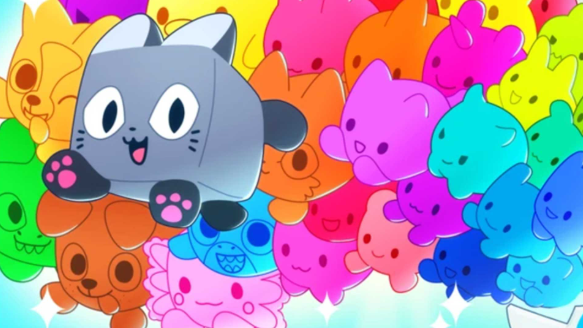
I. Pets Go Value List Overview
A Pets GO value list is a community or database-style guide that estimates what pets are worth in gems. These lists usually compare pet rarity, RAP, demand, exist count, variant type, and recent trading activity. Since the market changes constantly, a value list should be treated as a snapshot, not a permanent rule.
Trading values matter because they protect you from bad deals. Without checking values, you might trade a rare pet for several lower-tier pets that only look valuable because there are many of them in the offer. A good trader looks at total value, but also checks whether the items are easy to sell again.
Values are usually calculated through RAP, gem demand, tier placement, rarity, and variant bonuses. RAP means Recent Average Price, which gives you an idea of what a pet has recently sold for. But RAP is not perfect. It can be manipulated, outdated, or based on low-volume sales. That is why I always compare RAP with demand and actual trade interest.
II. Pet Odds and Rarity Basics
Pets GO uses rarity tiers like Common, Uncommon, Rare, Epic, Legendary, and higher special groups. The basic idea is simple: the harder a pet is to roll, the more likely it is to have value. But rarity alone does not guarantee a high price. A pet also needs demand.
Odds matter because they affect supply. If a pet is easy to roll, more players own it, and its trade value usually stays low. If a pet is extremely rare, like a Huge or special event pet, supply is limited and collectors start paying more.
Huge, Giant, Mythic, and special pets usually sit much higher than normal pets. Huge pets are especially valuable because they are rare, visually impressive, and easy for traders to recognize. Pets like Huge Nightmare Corgi are famous because of their extremely low odds and collector appeal. The rarer the pet and the lower the exist count, the stronger its value can become if demand stays high.
III. Value List Categories
Base pet values are the normal versions of pets without special variants. These are usually the easiest to price because they depend mostly on rarity, RAP, demand, and availability. Common and uncommon pets usually have low value unless there is something unusual about them.
Variants can change everything. Shiny, Lucky, Rainbow, Golden, and Diamond versions usually trade higher than base versions because they are harder to obtain or more visually desirable. A Rainbow or Shiny version of a rare pet can be much more attractive than a normal copy.
Huge and Giant pet values are usually separated from normal pets because their market behaves differently. Huge pets are collector items and status symbols. Special variants like stat pets, glitched pets, event exclusives, and rare limited pets can also trade above normal expectations if players want them badly enough.
IV. Key Pets and Their Values
Early and lower-tier pets like Fluffy Bunny, Squeaky Mouse, and Butterfly are usually not the pets that make you rich, but they still help beginners understand the market. These pets are good examples of why rarity and demand matter. If everyone has them, the value stays low.
Pets like Spino, Mimic, Glittering Sprite, and Raccoon usually depend more on rarity, event availability, and whether they are needed by collectors. Panda, Gnome, and Emerald Carbuncle-style pets may have better trade interest if they are harder to roll or tied to specific update windows.
Legendary and epic pets such as Glowing Phoenix, Majestic Unicorn, and Shiny Dragon-style pets tend to attract more attention because they sound and look premium. Still, do not judge by name alone. Always check current RAP, demand, and recent trade activity before assuming a pet is expensive.
V. Gem Prices and RAP
Gem prices are the main language of trading. When someone says a pet is worth 10M, 100M, or more, they usually mean its gem value. This helps players compare different pets without needing a direct pet-for-pet match.
RAP, or Recent Average Price, is useful because it shows how the market has recently priced an item. If a pet has a RAP of 50M, that gives you a starting point. But RAP can lag behind fast market changes. If an event just ended or a pet suddenly became popular, RAP might not fully reflect the new demand yet.
Gem ranges usually rise with rarity. Common pets may trade for very little, while legendary, Huge, special, or event pets can move for much higher amounts. RAP affects trading value, but I would never use RAP alone. A pet with high RAP but low demand can be hard to sell. A pet with slightly lower RAP but high demand can be easier to flip.
VI. Tier List and Meta Relevance
A Pets GO value tier list usually groups pets into S-tier, A-tier, B-tier, and lower categories. S-tier pets are high-demand, rare, and easy to trade. A-tier pets are strong value pieces but may not be as liquid as the top pets. B-tier pets can still be useful but are usually more situational.
The best pets for trading are not always the best pets for battle, arena, or raid-style content. Trading value is about rarity, demand, and market movement. Gameplay value is about stats or usefulness. Sometimes those overlap, but not always.
Starter pets help beginners progress. Mid-game pets help you build trading capital. Late-game pets, especially Huge and rare event pets, are where serious trading usually starts. If your goal is profit, focus on pets that other players actually want, not just pets that look cool in your inventory.
VII. Trading Basics and Requirements
Trading unlock requirements can change depending on the game’s update state, so always check the current in-game menu. Once trading is available, you can send or accept trade invites with other players and compare offers inside the trade window.
When trading, check every item carefully. Make sure the pet name, variant, rarity, stats, and value all match what the other player promised. Do not accept quickly just because someone says, “Hurry, this is a win.”
Trading rules and restrictions may limit certain pets, event items, or special variants. Some items may be locked, untradeable, or restricted for a period after release. Safe trading means using only the official trade system, never outside deals, and never trusting someone who asks you to “borrow” a pet.
VIII. Fair Trade and Trade Calculator
A fair trade is usually judged as WFL: Win, Fair, or Loss. If your side gains more value or better liquidity, it is a win. If both sides are close, it is fair. If you lose value or receive hard-to-trade items, it is a loss.
A trade calculator helps by adding up both sides of the trade. This is useful when offers include several pets, variants, or adds. But calculators are not perfect. They may not update instantly, and they cannot fully measure demand pressure.
To check if a trade is profitable, compare RAP, demand, recent market trends, and how easy the items are to resell. Common mistakes include accepting too many low-value pets, trusting fake inflated RAP, ignoring demand, and falling for last-second item swaps.
IX. Market Trends and Live Values
Prices change over time because Pets GO keeps receiving updates, events, and new pets. When a new pet releases, its value may spike because players want it immediately. Later, if many players roll it, the price can drop.
Demand trends and liquidity are important. Demand means how badly players want the pet. Liquidity means how quickly you can trade it. A rare pet with low demand may sit in your inventory for a long time. A popular pet with active demand can move fast even if its listed value is slightly lower.
Live value updates should be checked through multiple tools, trade communities, databases, and recent completed trades. Prices usually spike during events, after pets become unobtainable, when a pet gets popular on social media, or when supply is low. Prices drop when pets return, when new stronger or rarer pets release, or when hype fades.
X. Event and Limited-Time Pets
Halloween, Christmas, Valentine, and other seasonal pets can become strong trading pieces if they are limited and visually popular. The best event pets are usually the ones with low supply, good design, and strong collector demand.
Event-exclusive pet values often rise after the event ends, but not always. If the event lasted a long time and many players rolled the pet, supply may stay high. If the pet was extremely rare or difficult to obtain, value can climb.
Collecting and flipping event pets is a common strategy. The idea is to buy while supply is high and sell later when demand rises. But this only works if the pet has real demand. Do not hoard every event pet blindly. Focus on pets with rarity, strong design, and active buyer interest.
XI. Trading Strategy and Tips
To trade without losing value, slow down and check everything. Do not let another player rush you. If they are pushing too hard, that is usually a bad sign. Good trades can survive a few minutes of checking.
What should you hold? Hold rare Huge pets, low-exist event pets, high-demand variants, and pets with rising demand. What should you sell? Sell overhyped pets before they crash, common event pets before supply floods the market, and low-liquidity pets if you get a fair offer.
Building a trading-focused inventory means keeping pets that are easy to move. Huge pets, rare variants, event exclusives, and high-demand legendary pets are better trading assets than piles of low-value pets. Best practices are simple: check current values, compare demand, avoid outside trades, confirm the trade window, and never trust “free upgrade” scams.
XII. Value List Tools and Resources
Community-powered value lists are useful because they update faster than static guides. They usually track pet values, demand, tier, and sometimes recent value movement. Use them as reference points, not absolute truth.
Value calculators and search tools are helpful when you need to compare multiple pets quickly. If someone offers five pets for one of yours, a calculator can help you avoid guessing. Reddit and Discord communities are also useful because real traders often discuss current demand faster than websites update.
To verify accurate values, compare several sources. Check RAP, demand, exist count, recent trades, and whether the pet is rising or falling. If one value list says a pet is worth far more than every other source, be careful.
XIII. Frequently Asked Questions
What is the most valuable pet in Pets Go?
The most valuable pet changes over time, but Huge, Titanic, and ultra-rare limited pets usually sit at the top. Huge Nightmare Corgi is one of the famous rare examples because of its extremely low base chance and collector demand.
How are pet values calculated?
Values are calculated through RAP, gem demand, rarity, exist count, variant type, event availability, and market activity. No single number tells the whole story.
What is RAP and how does it affect trading?
RAP means Recent Average Price. It shows recent sale averages and helps estimate market value, but it can be outdated or manipulated, so always compare it with demand and live trade activity.
Are shiny and huge pets worth more?
Yes. Shiny pets, Huge pets, Rainbow variants, Golden variants, and other rare forms usually trade higher than normal versions because they are harder to obtain and more desirable.
How often is the Pets Go value list updated?
Community value lists can update daily, weekly, or after major events. Because prices move quickly after updates, always check fresh values before making a big trade.
A pets go value list is one of the best tools you can use if you want to trade smarter, but it should never be your only source of truth. Pet values depend on RAP, gems, rarity, demand, exist count, variants, events, and market hype. A pet may look expensive on one list but be hard to sell if nobody wants it right now.
My best advice is to trade slowly, compare multiple sources, and think about liquidity as much as price. Huge pets, rare event pets, shiny or rainbow variants, and low-exist collectibles usually have the strongest long-term value, but timing still matters. If you learn how RAP, demand, and update cycles work, Pets GO trading becomes much less random and a lot more rewarding.