rom golden age gameplay: The Player’s No-Fluff Guide to Leveling, Builds, Auto-Farming, Wars, Guardians, and Making Your Account Actually Strong
ROM: Golden Age is a classic, grind-friendly, cross-platform MMORPG set on the war-torn continent of Calderas, built around real-time isometric combat, a global one-server battlefield, and a built-in simultaneous translation system so the whole world can yell at each other in guild chat with minimal friction.
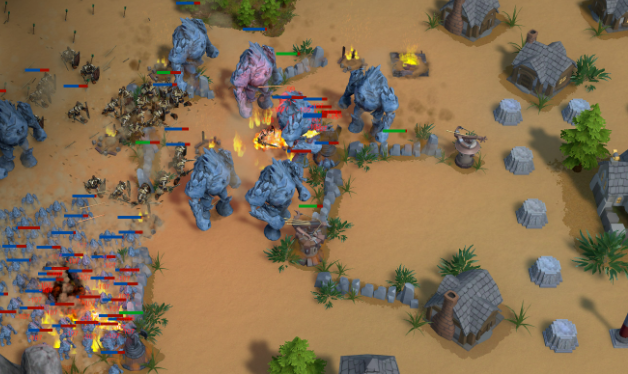
I. ROM: Golden Age Gameplay Overview
A. Classic hardcore cross-platform MMORPG set on Calderas
ROM: Golden Age is built to feel like the “grindy glory days”—where farming matters, gearing matters, and you don’t hit max power by doing a 10-minute tutorial and tapping “claim all.” It’s cross-platform (PC + mobile), and the whole “global battlefield” thing isn’t just marketing fluff—the game is structured around worldwide competition and wars.
What that means in practice:
You’ll see strong players early.
You’ll feel the gear gap early.
If you join a decent guild early, your entire progression accelerates.
B. Isometric real-time combat with global one-server battles and translation
The combat camera is isometric, real-time, and action-focused, with auto-targeting for basic attacks but a lot of the “winning” coming from positioning, skill timing, and not face-tanking mechanics you shouldn’t be face-tanking.
And because the game leans into “global one build + simultaneous translation,” it’s designed for cross-region play and communication without needing everyone to speak the same language.
II. Class & Weapon Gameplay Basics
A. Core archetypes (melee, ranged, magic) and how weapons define your role and skills
At the start, most beginner guides break ROM into three main class buckets:
Warrior (melee frontline)
Ranger (ranged kiting and farming)
Mage (magic damage, control, and support options)
Each of those branches into subclasses with distinct playstyles. Example breakdown you’ll see commonly:
Ranger → Ranger (bow), Hunter (crossbow), Scout (returning daggers)
Warrior → Knight (heavy hits), Defender (shield tank), Berserker (fast axe crit)
Mage → Magician (magic DPS), Wizard (control), Priest (heals/buffs)
But here’s the important gameplay truth:
In ROM, your weapons matter at least as much as your “class name.” Some resources describe the system as “classes aren’t locked” and emphasize that your combat approach depends heavily on weapons and gear—especially because you can equip a main and secondary weapon.
So instead of thinking:
“I picked Warrior so I must play one way forever,”
Think:
“I’m a Warrior base, but my weapon loadout decides if I’m bruiser, tank, or DPS today.”
B. Switching main/secondary weapons to change playstyle without rerolling a character
ROM allows main + secondary weapon loadouts, and guides consistently recommend experimenting with combinations until you find a flow you like.
Here’s the player way to use this system:
1) Pick a main weapon that defines your comfort zone
If you hate dying: pick a safer, steadier main weapon (tankier setup).
If you love farming: pick a weapon that lets you kite and keep uptime.
If you love PvP: pick a weapon that has burst + chase tools.
2) Pick a secondary weapon that patches your weakness
Main is safe but slow → secondary adds burst or mobility
Main is bursty but risky → secondary adds sustain/defense
Main is single-target → secondary adds AoE or control
3) Don’t reroll your entire character just because your first weapon feels awkward
People reroll too early because they think “my class is wrong.” Half the time it’s just:
bad skill setup,
weak early gear,
or a weapon combo that doesn’t fit your hands.
III. Early-Game Leveling & Questing Loop
A. Prioritizing main story quests and early zones for fast EXP and unlocks
If you want fast early progression, ROM rewards one boring but powerful strategy:
Do your main story quests first.
Main quests are the best EXP early and also unlock features. Many guides describe quests as the fastest way to level and open up systems.
A simple early-game priority list that actually works:
Main quest (yellow) until it hard-stops you
Side quests (blue) to bridge level gaps
Daily objectives (when unlocked)
Dungeons (when you can reliably clear them)
Also, ROM’s world is structured across multiple regions/continents (you’ll see names like Capital Caldes, Dracus, Brighton, Antaria, Seilmore, Tranquil Elven Land in beginner coverage).
Early tip that shows up often: start around Caldes Palace / Capital Caldes as a beginner-friendly hub for leveling and loot.
B. Using daily objectives and side quests to fill gaps between level milestones
Your leveling pace will eventually hit the classic MMORPG wall:
“I’m 2 levels short, the main quest is locked, and mobs give sad EXP.”
That’s where you treat side quests and daily objectives like “fuel,” not “content.”
You’re not doing them because they’re thrilling—you’re doing them because they:
push your level over the gate
give materials you’ll need later anyway
often provide currency that reduces your potion/repair pain
IV. Auto-Battle, Auto-Quest, and Convenience Systems
A. Setting up auto skills, auto potions, and auto pathing for efficient grinding
ROM leans hard into convenience systems—auto-battle is a real pillar of the game, not an afterthought. You can tune auto settings, choose which skills auto-cast, and set potion usage thresholds so your character auto-drinks at a defined HP level.
If you want auto-battle to feel “smart” instead of “wasteful,” do this:
Auto Skill Setup (Practical Rule)
Put one low-cost, high-uptime skill on auto (your “workhorse” skill)
Put one defensive or control skill on auto if you’re farming in a risky spot
Avoid putting every burst skill on auto unless you’re sure your mana/potions can handle it
Auto Potion Setup (Practical Rule)
HP potion threshold: set it high enough to prevent random deaths
MP potion threshold: set it lower than HP (unless your build is mana-hungry)
If your auto-farm keeps dying, the fix is rarely “more DPS.”
It’s usually:
too aggressive potion thresholds,
skills firing too often,
or you parked in a zone above your gear level.
B. When to rely on auto features vs manual play for bosses and high-risk content
Auto features are great for:
safe map farming
low-risk daily loops
resource grinding
But once you step into:
bosses
co-op dungeons
war content
…you’ll want to manual more often, because positioning and timing matter.
A good rule:
Auto for repetition
Manual for mechanics
If a boss hits like a truck, auto will happily stand there and get slapped unless your defensive kit is tuned perfectly.
V. PvE Content: Dungeons, Raids, and World Bosses
A. Daily dungeons, monster zones, and co-op boss fights for gear and materials
PvE in ROM is basically your “income.” Even if you’re a PvP addict, you still need PvE because PvE funds:
gear upgrades
enchanting materials
consumables
and the resources you burn in wars
Beginner guidance often highlights weekly dungeons for extra EXP and rare rewards.
Other farming-focused guides mention dungeon unlocking around mid levels (and emphasize limited-time dungeons as high value).
Practical approach:
Run your best-value dungeons daily/weekly
Farm a monster zone where your auto-battle is stable
Use bosses/world bosses as “spike rewards” rather than your main grind
B. Party composition and role synergy (tanks, DPS, support) for smoother clears
Whether the game calls them “Knight/Defender” or “Priest,” party logic stays the same:
Smooth PvE party =
1 tanky frontline who can hold aggro / survive
1–2 DPS who can maintain damage without dying
1 support/heal/buff who keeps the party stable
If your party wipes repeatedly, it’s almost always because one of these is missing:
no real tank (everyone is paper)
no sustain (your potions can’t out-heal boss damage)
no damage uptime (people spend the whole fight running instead of dealing damage)
VI. Large-Scale PvP & Territory Control
A. Territory Wars, Siege Wars, and War of Monarchs core rules and objectives
ROM’s marquee content is large-scale PvP: Territory Wars, Siege Wars, and War of Monarchs—the game itself frames these as “endless campaigns” and core competitive content.
From a player perspective, here’s what that means:
Territory Wars: Guilds fight to control regions. Control usually ties into status, access, and/or resource advantages.
Siege Wars: More structured large-scale fights around fortified objectives (think “attack/defend” vibes).
War of Monarchs: Endgame-style conflict that pulls top players together across the server.
Even if you’re not a war-focused player, these modes matter because they shape:
server politics
market prices (war winners often affect supply)
and your guild’s long-term power
B. Guild-based warfare, alliances, and scheduling your play around major battles
Here’s the secret to enjoying war content without burning out:
Schedule around big battles, not around daily chores.
If your guild is war-focused, you’ll want to align your “serious playtime” with:
Territory War windows
Siege War windows
Monarch event timing
Everything else (dailies, farming) becomes “prep.”
That mindset keeps you from doing 4 hours of random grinding and then being too tired to show up for the event that actually matters.
VII. Guardians and Companion Gameplay
A. Collecting, upgrading, and deploying Guardians as AI companions in combat
Guardians are not cosmetic pets. They’re a real gameplay system that boosts power and adds utility.
Multiple guides describe Spirit Guardians as companions that improve stats like EXP gain, attack, and defense, and that you can summon them via Guardian Summon Scrolls (a gacha-style companion system).
Other summaries call Guardians AI companions usable in PvE and PvP, collected and upgraded as part of long-term progression.
Player advice:
Treat Guardians like “account power,” not like optional fluff.
Even if you don’t min-max early, start collecting and leveling them steadily.
B. Building Guardian lineups to complement your class and cover weaknesses
Think of your Guardian lineup like a “support toolkit.”
Examples:
If your build is squishy → prioritize Guardians that boost defense/survivability
If your farm is slow → prioritize Guardians that boost damage/EXP efficiency
If your mana/potions are a problem → build toward stability (less damage spikes, more steady output)
Your Guardian doesn’t need to be “perfect.” It needs to solve the problem you’re feeling today.
VIII. Gear Progression, Enchanting, and Engraving
A. Rarity tiers (Normal, Rare, Epic) and targeting full Rare/Epic sets
ROM’s gear progression is the classic MMO climb:
upgrade pieces
chase higher rarity
optimize stats
repeat until your inventory is 80% “almost good” items you swear you’ll sort later
Many community discussions focus on building toward full higher-tier sets because that’s how you stabilize both farming and PvP.
Practical approach:
Early: replace fast, don’t over-invest in trash
Mid: start locking in a “core set” you actually enhance
Late: min-max stats and push upgrades higher
B. Enhancing gear, using trinkets, and safe vs risky upgrade breakpoints
Here’s the most common beginner trap:
Enhancing everything a little → feeling weak forever.
Instead, pick one gear set (or at least your main weapon + core armor) and push it meaningfully, because power spikes come from:
weapon upgrades
key armor thresholds
and set completion
Safe upgrading mindset (simple):
Upgrade gear you’ll wear for a long time
Don’t dump rare materials into gear you’ll replace tomorrow
If you’re not sure, upgrade your weapon first (your farming speed depends on it)
C. Engraving key stats like MP Recovery and Accuracy without wasting stones
Engraving systems in games like ROM are basically “slow power with expensive mistakes.”
Player rule:
Don’t engrave random stats “just because you can.”
Engrave the stats that your build actually needs to function.
Common “function stats” in grindy MMORPGs:
Accuracy (so you stop missing)
MP recovery (so your skills don’t stall)
Defensive stats if you’re dying in auto-farm zones
If you engrave blindly, you’ll eventually hit the point where you can’t afford to fix it—and then you’re stuck farming just to undo your own earlier decisions.
IX. Monster Book, Collections, and Passive Power
A. Unlocking permanent stat boosts through Monster Book entries and Item Collection
This is the part most players ignore until they get stomped by someone with lower level but higher “invisible power.”
ROM has systems like item collections and codex-style registration that grant permanent boosts. Some farming guides explicitly say even low-tier/gray gear matters because registering items in the Codex gives permanent stat boosts that help survival and farming.
The official store descriptions also highlight “item collections” as a core progression layer.
Player translation:
Monster Book / Codex / Collection systems are “small stats” individually
but over weeks, they become massive account power
B. Farming specific monsters, drops, and events to complete high-value sets
If you want to be efficient:
don’t try to complete everything at once
target the collections that give stats your build actually uses
Examples:
DPS builds chase attack/crit-type boosts
tanks chase defense/HP boosts
farm builds chase the stats that keep auto-battle stable
X. Economy, Trading, and Play-to-Earn Loops
A. Personal trades, item sealing, and server/world auction houses
ROM markets itself heavily on an open economy:
personal trading system
item sealing system
server/world auction houses
And that economy isn’t just “nice to have.” It shapes gameplay because:
farming has meaning (you can sell results)
crafting has meaning (you can profit)
wars have meaning (control affects supply/demand)
B. Balancing farming, crafting difficulty, and marketplace flipping for profit
Here’s the easiest money logic in ROM-style MMORPG economies:
Find a farm that your character can do safely for hours
Sell the stuff that whales buy (upgrade mats, high-demand gear, etc.)
Use the profit to fund your power upgrades
Some farming-focused guides outline the basic sealing → trading loop as:
farm overnight
seal the item
list it
another player buys it
you receive currency (and depending on system integrations, it can connect to broader marketplaces)
Even if you ignore any “earn” angle and treat it as pure in-game economy, the strategy remains:
farm efficiently
sell smart
reinvest into power
Marketplace flipping (buy low, sell high) can work, but only after you learn:
which mats spike before wars
which items are always in demand
and what times players dump inventory (usually after events)
XI. Cross-Platform & Global Server Features
A. Playing seamlessly on PC and mobile with shared progression
ROM is explicitly built as PC & mobile cross-platform, and multiple sources describe synced progression and play across devices.
Player benefit:
You can do serious war content on PC (better control)
Then do casual farm/dailies on mobile
Without maintaining separate accounts
B. Global one-build design, simultaneous translation, and cross-region cooperation
The “global one build + translation system” is one of ROM’s defining features—meant to support international play and single-server style competition.
This matters because:
guild recruitment isn’t limited to one region
alliances can be cross-timezone
war schedules become a real-life planning game (and yes, some people love that)
XII. Day-1 & Early-Game Roadmap
A. Hitting key goals like level 40 on day one with optimized routing
Can you hit level 40 on day one? Depending on your playtime and efficiency, some players aim for milestones like that—especially if you’re pushing to qualify for early guild content.
Here’s the “day one routing” mindset that works even if you don’t hit 40:
Day 1 Goals (realistic version)
Push main story as far as possible
Unlock as many systems as possible (dailies, dungeons, collections)
Set up auto-farm spots you can safely leave running
Join a guild early
Day 1 Strategy
Do main quest until gated
Fill gaps with side quests and easy objectives
Buy early skill books before you buy “nice” gear
Don’t waste early gold on junk upgrades
Many beginner guides emphasize prioritizing skill books early over basic equipment spending, because skills make you stronger faster.
B. What to buy in town (potions, food, Awakening Potions) and when to invest in skills
Your early shopping list should be boring:
HP potions
MP potions
whatever basic consumables keep you stable
The mistake is overspending on equipment you’ll replace quickly.
Buy skills early (especially if you’re using auto-battle):
skills increase clear speed
clear speed increases farming
farming increases everything else
XIII. Alt Characters, Resource Sharing, and Account Strategy
A. Using alternate characters to farm more materials and currencies
Alts are a long-term strategy. If the game allows flexible economy use and shared progress systems, alts become:
extra daily entries
extra farming time
extra market listings
Even if you don’t go full sweat mode, one alt can be a “materials battery” for your main.
B. Sharing account-wide resources smartly to accelerate a main character
Alt strategy only works if you don’t split your resources too evenly.
Rule:
Main character gets 80–90% of serious investment
Alt exists to funnel farm value and fill gaps
If you upgrade your alt like a second main, you’ll end up with two mediocre characters instead of one strong one.
XIV. Auto-Farming & AFK Efficiency
A. Best spots and settings for safe auto-grind and dungeon auto-progression
The best AFK spots are not always the highest-level spots.
The best AFK spots are:
mobs die quickly
mobs can’t burst you down
drops are useful (Codex/collection entries, materials, sellable loot)
Some farming guides emphasize “safe farming in lower-level maps” as a reliable way to stack gold and loot without draining potions.
B. Managing potion use, durability, and death risk while AFK
AFK efficiency is basically a checklist:
Potion thresholds tuned so you don’t waste potions
Auto skills tuned so you don’t burn mana constantly
Durability/repairs managed so you don’t wake up to a broken gear disaster
Death risk minimized because dying ruins your overnight session
If you keep dying AFK, don’t cope by saying “my class is bad.”
Fix:
your spot
your settings
your defensive stats
and your potion thresholds
XV. Build Crafting: Stats, Skills, and Playstyles
A. Prioritizing offensive vs defensive stats based on your preferred role
ROM isn’t a game where “full DPS always wins.”
Your stat priority depends on content:
Solo PvE / Farming
prioritize consistency: damage + sustain
dead characters farm zero items
Group PvE
DPS can go harder, but still needs enough survival to not be a burden
Open-World PvP
you need survivability + control tools, not just damage
burst is useless if you get chain-locked or deleted instantly
B. Skill book choices and rotations for solo PvE, group PvE, and open-world PvP
Skill books are one of the earliest power spikes. Guides explicitly mention buying active and passive skill books from merchants using gold and prioritizing them early.
Solo PvE rotation idea
1 sustain-friendly skill on auto
1 burst skill manual for elites
mobility/escape skill ready if needed
Group PvE rotation idea
coordinate around tank control
save burst for boss openings
keep mana stable (a drained DPS is a useless DPS)
PvP rotation idea
open with control or gap close
burst during vulnerability window
disengage when your cooldowns are down
The biggest PvP mistake is “standing still trying to out-DPS.”
If you get outnumbered, you kite. If you get focused, you disengage. If your guild calls targets, you follow calls.
XVI. Guilds, Social Systems, and Cooperative Play
A. Choosing the right guild for time zone, PvP focus, and economy goals
Your guild determines your ROM experience more than your class does.
A good guild gives you:
organized war participation
dungeon groups
market intelligence (what’s selling, what’s scarce)
protection in contested farming zones
Pick a guild that matches your timezone and goals, because war schedules are real.
B. Coordinating raids, territory wars, and shared farming routes
Guild coordination is the difference between:
“we got wiped”
and “we owned the map tonight”
Simple coordination habits:
show up early
stock potions before wars
repair before wars
follow shotcalls
don’t ego-fight random players when your guild needs you on objective
XVII. Common Beginner Mistakes to Avoid
A. Spreading upgrades too thin across bad gear and low-impact stats
This is the classic ROM mistake:
Upgrade everything a little → stay weak forever.
Instead:
pick a core set
upgrade intentionally
replace junk fast
invest hard only when you’re sure the gear will stay with you
B. Skipping tutorials, ignoring auto-settings, and neglecting Monster Book/collections
Three mistakes that quietly ruin accounts:
Ignoring auto settings → you burn potions and quit the game
Ignoring Codex/collection systems → you fall behind “invisible stats”
Ignoring Guardians → you miss a major power layer
If you want the “fast fix”:
tune auto settings
register items in collections
build Guardians steadily
XVIII. Mid- to Late-Game Progression Goals
A. Transitioning from story focus to competitive PvP and high-end dungeons
Early game is story + unlocking.
Mid game becomes:
dungeons
gearing
collections
guild events
Late game becomes:
wars
optimized farming loops
market dominance
and pushing upgrades without bankrupting yourself
B. Long-term targets: optimized gear, finished collections, and guild dominance
Your true long-term power in ROM comes from stacking systems:
gear upgrades
engraving/enchanting efficiency
Guardian lineup optimization
Monster Book / Item Collection completion
and smart economic play (trading + auction strategy)
If you want a clean long-term goal list:
Stable auto-farm spot (no deaths, low potion waste)
Core gear set that you commit to upgrading
Collection/Codex progress every week
Guardian upgrades as a steady background project
Guild war participation as your “endgame heartbeat”
If you’re trying to understand rom golden age gameplay in a way that actually helps you play better, here’s the simplest summary:
ROM is a cross-platform, isometric real-time MMORPG built around global one-server competition and a translation system for worldwide play.
Your power comes from stacking systems: weapons + skills, Guardians, collections/codex, gear upgrades, and economy play—not just levels.
Auto-battle is powerful, but only if you tune skills and potion thresholds—otherwise you’ll farm inefficiently and feel broke.
The “big game” is wars: Territory Wars, Siege Wars, and War of Monarchs, which heavily reward guild organization and preparation.
The economy is a real gameplay layer, featuring personal trading, item sealing, and auction houses, so smart farming and selling can fund your growth.