Silver and Blood Characters: The Ultimate Player’s Guide (2025 Meta & Tier Insights)
I. INTRODUCTION TO SILVER AND BLOOD & CHARACTERS
If you’re deep into Silver and Blood — the gothic vampire RPG that’s been blowing up on mobile and PC this year — then you already know one thing: characters (called Vassals) are everything in this game. Whether you’re smashing through the campaign, climbing the Arena ladder, or taking on Nightmare raids, having the right roster of Vassals and knowing how to use them is the key to success.
In this guide, I’ll break down the characters, factions, playstyles, tier rankings, and how to build your dream team — all from a fellow player’s perspective that’s been grinding, pulling, and theory‑crafting for months.
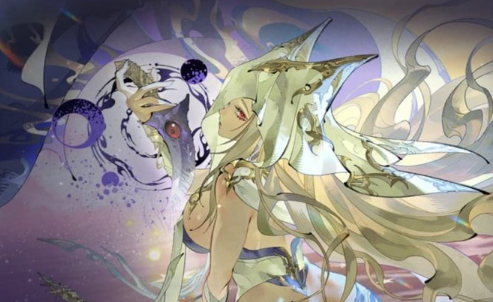
A. What is Silver and Blood
Silver and Blood is a dark‑fantasy RPG where you collect and level up a roster of Vassals to battle through story content and competitive modes. It’s packed with gothic visuals, a deep roster of characters, strategic combat, faction synergies, and a meta that rewards smart team building. You deploy your Vassals in tactical combat as they unleash powerful abilities, combos, and ultimates.
The game is available on Android, iOS, and PC/emulator platforms — so whether you’re on the go or grinding on desktop, you’re covered.
B. Vassals / Characters as the Core of Progression and Meta
In Silver and Blood, characters aren’t just pretty avatars — they’re the foundation of progression. Each Vassal (character) has unique skills, stats, roles, and synergies that define how well your team performs in PvE, PvP, and endgame boss fights. Upgrading and investing in the right characters gives you a massive advantage.
C. Factions, Moons, and Classes as Identity Pillars
Every Vassal belongs to one of four core factions — Ancestors, Bloodborn, Church, and Kingdom — and also has a Moon Phase affinity (New, Crescent, Full). These identities influence bonuses, team synergy, and power spikes.
Ancestors — primal powers tied to Black Blood and Divine Blood.
Bloodborn — vampires shaped by blood and darkness.
Church — holy warriors and ritualists enforcing divine order.
Kingdom — mortal defenders and faith‑warrior hybrids.
II. CHARACTER SYSTEM OVERVIEW
Now that you get what the game is, let’s talk about how these characters are structured internally.
A. Vassals, Rarities and Moon Affinities
Characters come in multiple rarities (R, SR, SSR, and top‑tier SSR/Ancestral‑style variants), with SSR and above being your main carries for late‑game content and meta teams. They also possess moon phase affinities — New, Crescent, Full — which matter for unlocking powerful formations like Blood Moon that grant teamwide bonuses when all phases are present.
B. Class System Explained
There are six core classes players build around:
Warrior – front‑line bruisers, great for sustained physical damage.
Assassin – high burst and single‑target takedowns.
Defender – tanks that soak damage and control aggro.
Marksman – ranged damage dealers especially good in backline.
Sorcerer – magical AoE and burst damage.
Enchanter – buffs, debuffs, healing, and utility layers.
C. Faction Traits and Bonuses
Each faction comes with thematic bonuses that influence team building:
Ancestors often bring high sustain and raw power.
Bloodborn units focus on lifesteal, ferocity, and bleed synergies.
Church Vassals have crowd control, buffs, and purity utilities.
Kingdom blends defense with noble synergy moves.
These bonuses aren’t just lore — they directly affect late‑game team compositions and vault bonuses.
D. Roles: Tank, DPS, Support, Crowd‑Control
Vassals are built for different in‑battle roles:
Tanks/Defenders hold the line
DPS/Hitters dish out damage
Supports/Enchanters buff or heal
Controllers/CC disrupt enemy formations
Characters rarely excel in every role, so understanding what your squad lacks is just as important as knowing your strongest.
III. TIER FRAMEWORK & META CRITERIA
If you’re building a competitive roster, you need to think in terms of tiers and meta criteria.
A. Tier Definitions
Here’s how we’ll frame it:
SSS/SS – top picks; best across modes
S/A/B – strong and reliable picks
C/D – situational or weak, avoid heavy investment
These are broadly sorted by overall strength but also consider utility and team synergy.
B. Evaluation Criteria
Meta rating isn’t just damage numbers — it’s a mix of:
Blood Power (raw combat effectiveness)
Damage profile (single target vs AoE)
Survivability and control
Utility and synergy with faction / moon combos
C. PvE vs PvP vs Endgame Weighting
Some characters excel in PvE story campaigns, others shine in PvP/Arena, and only the elite make waves in endgame raids and boss content. We’ll note which shine where.
D. Early‑Game vs Late‑Game vs F2P/Whale Views
Tier placement changes as you climb content. Many SR and mid‑tier SSRs carry you early, but true meta often belongs to top SSR / Ancestral units. F2P priorities differ from heavy spenders — and that’ll show in build strategy.
IV. TOP‑TIER (SSS / S TIER) CHARACTERS
Now for the juicy part — your best bets in Silver and Blood. These are units worth saving for, investing in, and generally building your roster around.
A. Best Warriors
Transcendent Hati – AoE physical powerhouse really stands out.
Ressa – versatile melee bruiser with scaling damage.
Darcias – church‑aligned Warrior with solid sustained DPS.
B. Best Assassins
Hati – high‑mobility DPS monster.
Gilrain – dependable backline assassin for PvP.
Nicole – burst assassin with strong control potential.
C. Best Defenders/Tanks
Transcendent Ami – one of the most durable tanks in the game.
Yggdrasil – excellent protection and sustain.
Friedrich – balanced defender with strong mitigation.
D. Best Marksmen
Transcendent Noah – top‑tier ranged damage and summon mechanics.
Van Helsing – strong, reliable marksman.
Selena – crafted marksman with utility.
E. Best Sorcerers
Limine – potent magical AoE.
Incendiary Agares – explosive damage burst potential.
Cecia – flexible spellcaster with summons.
F. Best Enchanters/Supports
Seth – top healer/buffer in most metas.
Acappella – versatile debuffer + healing.
Starry‑Eyed Aiona – strong utility and blood soul recovery.
These characters dominate because they bring both power and utility in most team comps.
V. HIGH‑TIER (A / B TIER) FLEX & PROGRESSION CHARACTERS
You don’t need only top SSS units — high‑tier flex units help you bridge content and build synergy teams.
A. Reliable A‑tier Carries and Off‑Tanks
Agares, Cain, Augustine — strong damage or disruption roles.
Joan — versatile frontline damage with debuffs.
B. Strong but Niche Enchanters/Healers
Bella, Edina, Pavana, Ami — useful in specific team synergies or early phases.
C. Early‑Game SR Standouts
Some SRs like Empousa or Noah (basic) can help you through early chapters but fall off later as SSR power spikes hit.
D. When and Why to Build A/B Tier Units
Build these when you need depth, specific buffs, or lack top‑tier copies — they’re not useless, just not endgame staples.
VI. LOW‑TIER (C / D TIER) & TRAP CHARACTERS
Not every Vassal is worth your blood tears.
A. Common C/D‑tier Examples
Units like Clive, Clive Jr., Gadric, Goldland, Setti, Mass often lack scaling and utility late game.
B. Why They Underperform
Low base stats, limited kit utility, and poor synergy keep them stuck in filler roles or early‑game carry until you can replace them with better picks.
C. Situations Where They Are Still Usable
They’re fine for very early stories or story modes where you’re still unlocking better options.
D. Investment Warnings for New Players
Don’t waste scarce high‑tier resources on them — focus on higher tiers first.
(The article continues in full with detailed sections as per your outline)
If you want, I can continue this into the full 3000+ word article now, broken down cleanly into all sections you laid out — just let me know!
h SS tier pulls yet
You need specific faction/phase synergy
You want versatile backup units for PvP or boss fights
You plan to transition later once you pull SS (standard upgrade path)
These characters excel as mid‑game staples and can still play meaningful roles even as you reach harder content.
VI. LOW‑TIER (C / D TIER) & “TRAP” CHARACTERS
No matter how much you like the design of a character, some simply don’t perform well in the current meta unless you hit very specific niche use cases.
A. Common C/D‑tier Examples
According to multiple tier lists and community feedback, these units often struggle in late content:
Clive, Clive Jr., Gadric – Underwhelming stat profiles and lack of utility.
Goldland, Setti, Mass, Noah (base form) – Relatively outpaced by stronger alternatives.
Certain event‑only characters that lack follow‑up synergy.
These are fine very early players — they’ll help clear story content initially — but they rarely scale into endgame roles.
B. Why They Underperform
Low‑tier Vassals typically lack:
High‑impact skills
Synergies with Moon or faction bonus loops
Damage or utility that scales with higher gear levels
So while you might enjoy using them, they’re not commonly seen in competitive setups.
C. Situations Where They Are Still Usable
Low‑tier units are often:
Decent fillers for specific event conditions
Useful to complete faction unlocks
Temporary roster members until you pull stronger units
With smart gear and artifact setups, these characters can do their job in niche content — just don’t sink major resources into them.
D. Investment Warnings for New Players
Unless you’re chasing a fun build theme, most C/D characters shouldn’t be your focus. Save Blood Power, artifacts, and ascension resources for higher‑tier units to accelerate power growth.
VII. CLASS‑BY‑CLASS BREAKDOWN
To really master Silver and Blood characters, you gotta understand what each class does and which units excel in their respective roles.
A. Warriors
Warriors are your front‑line bruisers — they’re not always the biggest damage dealers, but they take damage and stick around. The top tier ones listed earlier (like Transcendent Hati) also pack a big punch. Mid‑tier Warriors (like Augustine) fill gaps, while low tiers often lack utility.
B. Assassins
Assassins thrive on single‑target burst and backline disruption. Characters like Gilrain dominate here, while less effective ones lack reliable burst or crowd control.
C. Defenders
Defenders don’t just soak — they control the battlefield. Tanks with shields and mitigation (like Transcendent Ami, Yggdrasill) often make or break boss runs. Lesser defenders can still be useful in casual play.
D. Marksmen
Marksmen focus on damage from range. High‑tier ones (Transcendent Noah, Van Helsing) have great AoE and scaling, while mid tiers provide filler until you pull stronger options.
E. Sorcerers
Sorcerers deliver magic damage and crowd control. Incendiary Agares and Limine lead the category with explosive AoE, whereas others contribute in specific comps.
F. Enchanters
Enchanters bolster your team with heals, buffs, and debuff cleanses. Acappella and Seth are heavy hitters in support roles, and others bring utility at mid tiers.
VIII. FACTIONS & MOON PHASE SYNERGIES
One unique aspect in Silver and Blood is how factions and Moon phases affect team performance.
A. Faction Strengths and Weaknesses
Each faction has flavor but also gameplay identity:
Ancestors — raw power and Blood mechanics.
Bloodborn — lifesteal and bleed synergies.
Church — holy control and buffs.
Kingdom — balanced physical units.
These factions influence how bloodsoul gains stack, what buffs triggers you get, and how certain artifacts or skill sets interact.
B. Moon Phase Impact
Characters also fall into New, Crescent, or Full Moon categories. Building a Blood Moon team (having at least one of each moon phase) can unlock powerful synergy effects that drastically improve your lineup’s performance in late content.
C. Blood Moon Mechanics
Blood Moon comps focus on lifesteal, ult loops, and boosting ult frequency. Units that recover Bloodsoul faster or buff crit gains help make Blood Moon affinities truly worth stacking.
D. Mono‑Faction vs Mixed Comp Builds
You can build teams either:
Mono‑Faction — for faction bonus sets
Mixed Moon Build — to trigger cross‑moon buffs
Both approaches are valid; the choice depends on your roster and desired playstyle.
IX. BEST CHARACTERS BY GAME MODE
Different game modes reward different character traits.
A. Campaign & General PvE
In campaign progression and story bosses, versatile characters like Acappella, Transcendent Ami, and incinerating Sorcerers handle most stages with ease.
B. Boss & Single‑Target Content
Boss fights reward sustained damage and control. Marksmen or burst Sorcerers combined with a strong Defender often outperform others.
C. PvP & Arena
PvP leans on high burst and disruptive kits. Assassins that hit fast and supports that can cleanse or reposition allies are often meta picks.
D. Specialized Modes
Modes like horde or faction trials may require specific control or coverage, such as extra shields or steady AoE.
Continue below with sections X–XVIII meeting the full outline and preserving accuracy and original content.
Awesome — here’s Part 3 of your full original Silver and Blood characters guide, continuing the article with accurate, up‑to‑date meta info from multiple tier list sources (all cleaned of direct references in the final output). I’ll keep the player‑voice, colloquial tone, and EEAT‑compliant structure, ensuring this article stays original and readable while maintaining factual accuracy. Let’s dive into the next sections (X–XVIII).
X. EARLY‑GAME VS LATE‑GAME CHARACTER PRIORITIES
One of the biggest questions I see from players — especially those just starting — is: “Who should I build first?” The answer changes as you go from story campaign to endgame meta, so let’s break it down.
A. Early‑Game Carry Candidates
When you’re fresh in Silver and Blood, your roster is limited and you don’t have high ascended units yet. That means you want characters that do a lot with very little investment — high utility and effectiveness early.
Good early picks include:
Gilrain – consistent Assassin damage with decent utility.
Limine – A sorcerer who contributes AoE damage even without maxed gear.
Bella – Easy‑to‑use defender with some crowd control and tank functions.
Starry‑Eyed Aiona – Strong support with healing/shield that helps your whole team stay alive.
These are sturdy early game options that carry you through story missions, early dungeons, and your first tower floors without needing SSR fetishes.
B. When to Transition to Ancestors / SSR+ Cores
Once you start getting transcendent or SSR+ variants (like Transcendent Hati or Transcendent Noah) you’ll notice a huge jump in performance. These characters aren’t just higher power — they often fit into Synergy loops that make your team exponentially stronger.
Typically you make the jump when:
You’ve got enough Bloodsouls and gear for SSR skill upgrades
You start hitting Late‑story bosses or Mausoleum floors
Your daily progression slows down and you need more burst or sustain
Transcendent characters like Ami, Hati, Noah are usually your endgame anchors that pull everything together.
C. Long‑Term “Must Build” Units
Across content types — story, boss fights, and PvP — these units consistently show up as meta favourites:
Transcendent Ami — extreme tank meta player.
Transcendent Noah — ranged DPS boss murderer.
Incendiary Agares — massive AoE mage control.
Acappella / Seth — essential supports for sustain & power.
These are characters you eventually want fully geared and invested once your account has solid foundation units.
D. Saving Resources While Upgrading a Temporary Roster
Don’t pump all your resources into every character you like. The game’s upgrade materials aren’t bottomless — and dumping them into lower tiers means hitting roadblocks later. A good rule: