Yu Yu Hakusho Slugfest Tier List — Choose Your Spirit Detectives Right
If you’ve been on the hunt for a fresh mobile (and PC via emulator) spin on a classic anime RPG, then Yu Yu Hakusho: Slugfest is probably on your radar right now. As someone who dove into it headfirst, I’m writing this not as a cold analyst, but as a fellow player — someone who's picked characters, rerolled a bit, and tested them in PvE, PvP, and tournament modes.
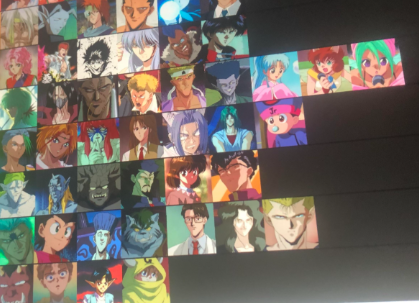
Introduction to Yu Yu Hakusho Slugfest and Character Tier System
Here’s the quick low-down before we dig into the tiers:
Game Overview: Slugfest is a 3D action/MMORPG based on the legendary anime Yu Yu Hakusho. You collect characters, build a team, and fight in turn-based / auto-combat battles that still reward strategy and correct choices.
Character Collection & Team Building: As typical for a gacha-style RPG, you summon heroes of varying rarities (SSR, UR, etc.), each with unique skills and roles. Building a good team means covering damage, support, control, etc.
Why a Tier List Matters: Not all characters are created equal. Some excel everywhere (PvE, PvP — tournament, events, etc.), others only shine in niche modes. Given limited resources (pulls, upgrades), knowing who’s “meta” helps.
Multiple Game Modes: From story & campaign PvE, to Arena PvP and large-scale events (tournaments, Demon-World content), different characters behave differently depending on context.
2025 Meta Update: The meta continues evolving — some characters got buffs/nerfs, and the pool of viable “top-tier” heroes shifted since release. I’m reflecting what feels solid as of late 2025.
This article walks you through how I classify characters (S, A, B, C-tier), who I think rocks right now, and how to steer clear of wasted rolls or upgrades. Let’s go.
Understanding the Tier List Classification System
Before I list the top heroes, here’s how I judge them. I keep it practical — what works well in general, what shines in specific modes, and what’s more “niche or situational.”
S-Tier: Absolute Best Performance
These units perform consistently across nearly all modes — story PvE, boss raids, PvP, tournaments.
They’re top-priority targets if you’re rerolling or saving resources.
Great investment value — even if you’re F2P, upgrades pay off.
A-Tier: Strong and Reliable
They have solid performance, but may have some situational limitations depending on team comp or mode.
Good “safe picks” if you miss S-tier pulls, or want a balanced, flexible team.
Useful for bridging early-mid game or complementing stronger heroes.
B-Tier: Situational Viability
They shine only under certain circumstances: specific game modes, team builds, or with proper synergy.
Not bad for filler teams, early game, or niche strategies — but not ideal for long-term “meta” teams.
C-Tier and Below: Limited Application
Generally outperformed by better units — mostly fallback options, or for players who don’t care about meta optimization.
Might be okay for casual play or nostalgic picks, but not recommended for competitive or late-game content.
Important note: As with all games, tier lists shift. Weekly patches, buffs/nerfs, and new characters can shake things up. Use this as a guideline — not a gospel.
S-Tier Top Performance Characters (Must-Haves)
These are the characters I recommend you go hard for — whether you reroll, use resources, or build your “dream team.”
Yusuke Urameshi — The All-Rounder Superstar
His burst & AoE capabilities are outstanding: he hits multiple enemies, often dealing heavy damage with crit boosts.
Works in almost every mode: story PvE, boss fights, PvP Arena, you name it.
Great as a core DPS — if you want one hero to lead your team, Yusuke is a safe bet.
Hiei — The Speedy Assassin
High-speed attacker with strong burst and critical hits. His attack speed and damage make him a PvP nightmare.
Also useful in PvE when you need to clear mobs or finish off bosses quickly.
For players who enjoy quick, aggressive playstyle — Hiei delivers.
Kurama — Crowd Control & Utility Specialist
Kurama brings more than raw damage: his utility, control, and sometimes debuff/utility skills make him excellent in balanced teams.
Great for players who prefer stability, consistency, and tactical combat over pure glass-cannon DPS.
Very versatile across content: PvE bosses (with control), PvP, and synergy team builds.
Genkai — Support & Sustain Anchor
As a support character, she brings buffs, energy/spirit regeneration, or even crowd control — very valuable for prolonged fights or boss raids.
If your team leans on strong DPS, having a support like Genkai stabilizes fights and improves survivability.
Recommended when playing co-op content or tough PvE challenges.
Kazuma Kuwabara — Defensive Utility & Team-buffer
Kuwabara adds defensive and support utility: not always flashy damage, but solid team benefit — especially in longer fights or against control-heavy enemies.
Great if you’re building a balanced team with DPS + support + tank — he can often be that sturdy frontline or buffer.
Good for players who like safety, team synergy, and consistent progress rather than glass-cannon risk.
Why these are S-Tier: Because they combine strong core stats (damage, speed, utility) with versatility — meaning they’re useful in both early-game and late-game, PvE and PvP.
A-Tier: Strong, Flexible, and Reliable Picks
If you’re new, didn’t get S-tier pulls, or want a dependable team with fewer resources invested — these A-tier characters are solid.
Reliable Damage + Flexibility Picks
These might lack the raw “carry” power of S-tier picks, but they make up for it with fewer weaknesses, easier upgrades, or niche strengths (like crowd control, support, or balanced output).
For example, characters like support-oriented or balanced-stat heroes — they may not dominate solo, but shine in team content.
Good for Mid-Game Transition & Resource Efficiency
If you’re still climbing, A-tier gives good return on investment: you don’t need to throw tons of resources to make them work.
They help bridge the gap before you get S-tier pulls or invest lots of resources.
Team Synergy & Specialization Roles
Sometimes what makes an A-tier pick shine is how they complement top-tier teammates — maybe they bring healing, debuffing, or fill a niche role that the S-tier picks lack.
Bottom-line: A-tier picks are “good enough for most things,” and worth your time especially if you lack S-tier heroes.
B-Tier and Situational Characters: Use With Context
I’m not saying these are “garbage.” Rather: they’re useful — but only in certain situations, or with certain team comps.
When B-Tier Makes Sense
Early-game: before you get strong pulls, some B-tier units can carry you through story, early PvE modes, or serve as placeholders.
Niche content: maybe certain bosses or challenges require specific buffs/debuffs these units provide.
Budget/Gacha-limited players: if you don’t mind sacrificing optimality, B-tier can still make content doable.
What to Watch Out For
They often lack versatility — maybe strong in PvE but poor in PvP, or have limited synergy with other top units.
Likely to be outclassed eventually — as you unlock more powerful units or face tougher content, you may need to replace them.
If you roll a B-tier character: fine for now — but don’t expect long-term dominance.
Meta Snapshot — What Works Right Now (End of 2025)
From my recent runs and checking community guides, this is what the meta feels like now:
S-Tier dominance remains strong: Yusuke, Hiei, Kurama, Genkai — they still carry most content with minimal tweaks.
Synergy matters more than just “raw power.” A balanced team (DPS + Support + Control + Tank) often outperforms a team with just top DPS.
Flexibility over min-maxing: Because content switches (PvE <-> PvP <-> events), having flexible heroes who adapt are more valuable than glass-cannon burst only.
Resource management is key: Unless you get lucky with S-tier pulls, upgrading every hero is resource-heavy. Prioritize main characters.
How I Approach Team Building — My Personal Strategy
Since I started playing, I settled into a three-tier mindset:
Core Team (S-Tier + Balanced Support): My main lineup generally includes a core DPS (like Yusuke or Hiei), a support (Genkai or Kuwabara), and sometimes a hybrid (Kurama) for flexibility.
Secondary / Backup Slots: A-tier or B-tier units — used for easier content, resource farming, or as fallback when core heroes are on cooldown or “resting.”
Experimental & Fun Picks: Every now and then, I try out side-units even if they’re lower tier — for variety, challenge, or just for nostalgia (because, hey, it’s Yu Yu Hakusho